We Build Design Services: Complete Guide for 2026
The digital landscape in 2026 demands more than isolated creative efforts or fragmented project management. Businesses seeking competitive advantage increasingly turn to integrated approaches where strategy, design, development, and optimization function as a cohesive unit. Understanding how we build design services reveals the methodologies, frameworks, and collaborative structures that transform business objectives into tangible digital assets. This comprehensive approach addresses the challenges modern organizations face when traditional agency models fail to deliver cohesive results aligned with measurable business outcomes.
Understanding the We Build Design Services Framework
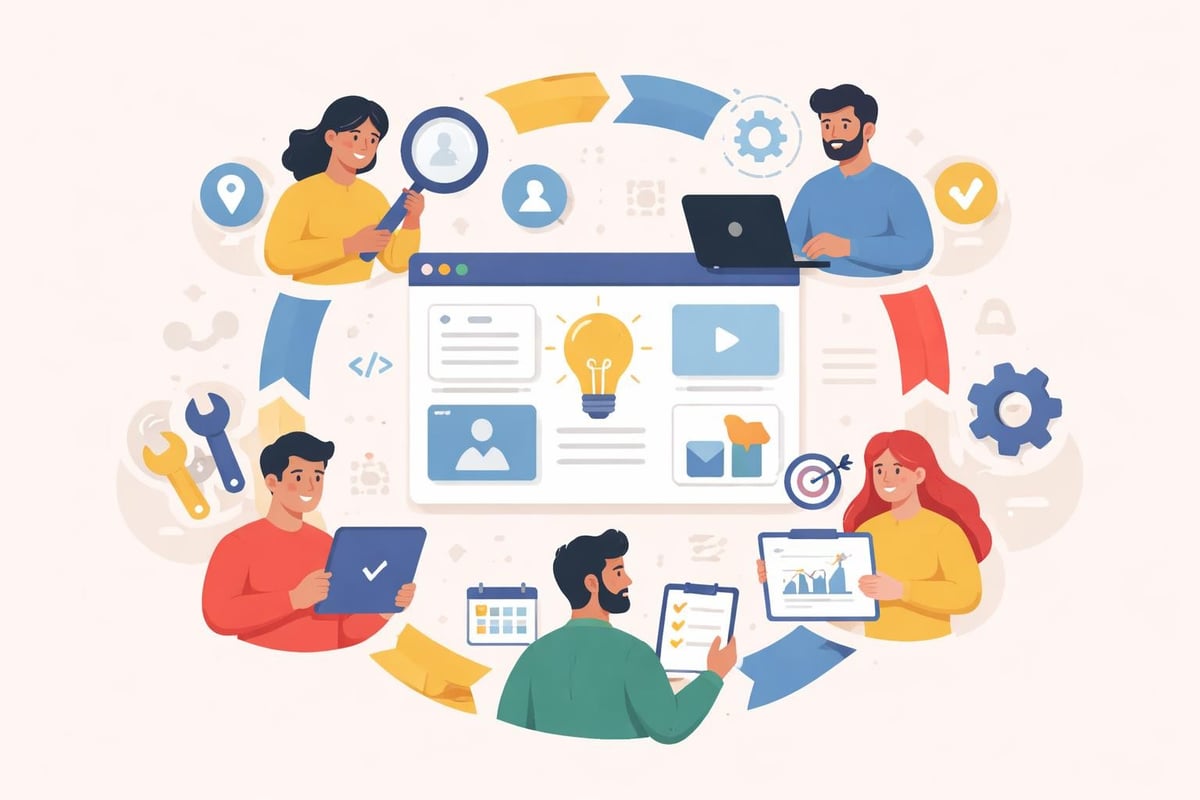
When organizations evaluate how we build design services, they encounter a delivery methodology fundamentally different from conventional agency relationships. This framework emphasizes collaboration between designers, developers, strategists, and clients from project inception through launch and beyond.
The integrated approach mirrors principles outlined by the Design-Build Institute of America, which emphasizes single-source accountability and streamlined communication. Rather than managing separate vendors for strategy, creative work, technical development, and marketing, businesses work with unified teams where expertise overlaps intentionally.
Core Components of Integrated Design Services
Modern design service frameworks incorporate multiple disciplines operating simultaneously rather than sequentially. This structure delivers several operational advantages:
- Unified project vision across all team members from day one
- Reduced communication overhead through shared tools and processes
- Faster iteration cycles when feedback loops involve all stakeholders
- Consistent quality standards maintained by integrated quality control
- Strategic alignment between creative decisions and business objectives
Teams delivering we build design services typically include UX researchers, visual designers, copywriters, developers, SEO specialists, and project managers working from shared documentation and goals.
Strategic Planning Within Design-Build Models
Effective execution begins long before any visual design or code development. Strategic planning establishes the foundation upon which all subsequent work builds, ensuring creative decisions serve documented business requirements.
Research conducted during discovery phases examines target audience behaviors, competitive landscapes, technical constraints, and market positioning. This intelligence shapes information architecture, content strategy, visual direction, and technical approaches simultaneously.
| Planning Phase | Key Activities | Deliverables |
|---|---|---|
| Discovery | Stakeholder interviews, competitor analysis, audience research | Research report, positioning statement |
| Strategy | Goals definition, success metrics, content audit | Strategic roadmap, measurement framework |
| Architecture | Sitemap development, user flow mapping, taxonomy design | Information architecture documentation |
| Creative Direction | Mood boards, style exploration, brand alignment | Visual design framework |
According to data from Engineering News-Record, integrated delivery methods continue gaining market share precisely because strategic alignment produces measurable efficiency gains. When we build design services follow these frameworks, projects maintain strategic focus through execution phases where scope creep traditionally occurs.
Translating Business Goals Into Design Requirements
Strategic planning sessions convert abstract business objectives into concrete design requirements. A goal like "increase qualified leads by 40%" transforms into specific page layouts, conversion optimization tactics, content structures, and performance benchmarks.
This translation process involves:
- Quantifying success metrics with baseline measurements and target thresholds
- Identifying user personas whose behaviors drive business outcomes
- Mapping customer journeys from awareness through conversion and retention
- Prioritizing features based on impact potential versus implementation complexity
- Establishing design principles that guide creative decisions throughout the project
Teams at agencies like Creotivity leverage this structured approach to ensure every design element serves documented strategic purposes rather than purely aesthetic preferences.
Design Execution and Creative Development
Once strategic frameworks establish project parameters, creative development transforms requirements into tangible design assets. This phase demonstrates how we build design services balance creative innovation with strategic discipline.
Visual design begins with wireframes and low-fidelity prototypes that validate information architecture before investing in high-fidelity visual work. This iterative approach reduces expensive revisions later in production cycles.
Component-Based Design Systems
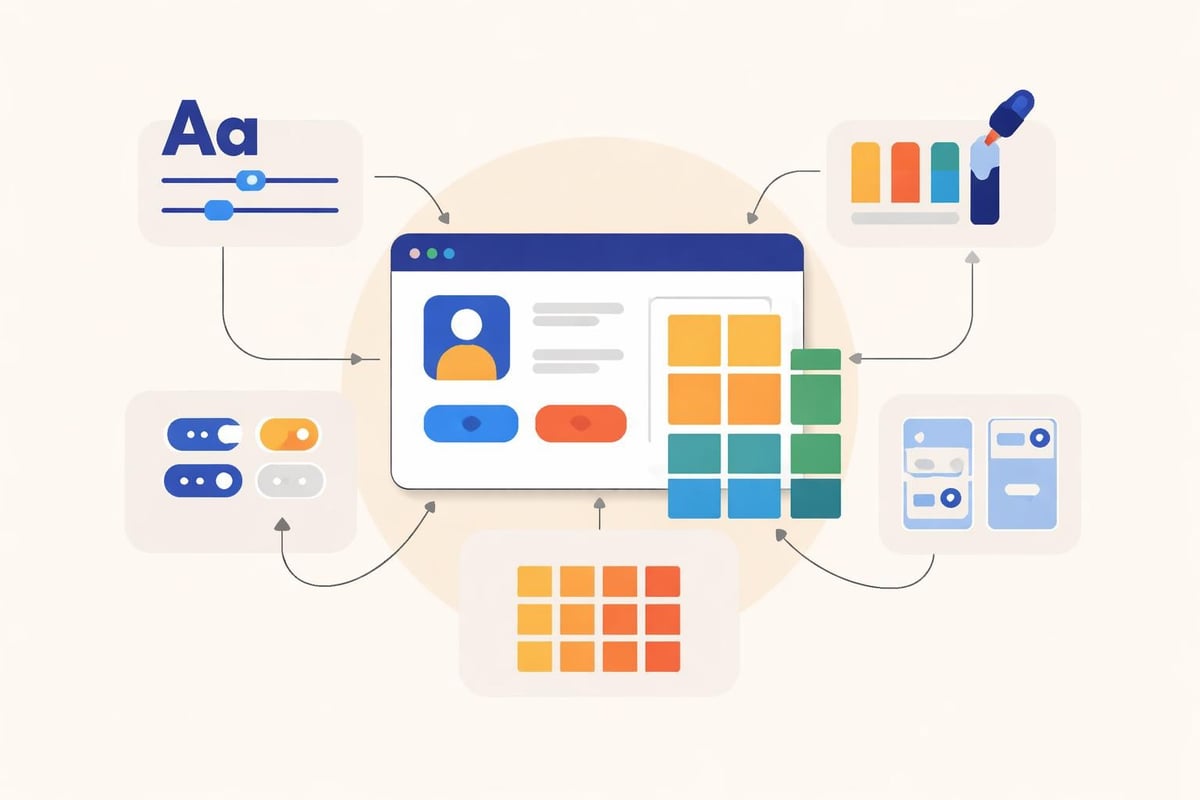
Modern design execution increasingly relies on systematic approaches rather than one-off page designs. Component libraries establish reusable design patterns that maintain consistency while accelerating production.
A comprehensive design system includes:
- Typography scales and usage guidelines
- Color palettes with accessibility documentation
- UI components (buttons, forms, cards, navigation)
- Layout grids and spacing standards
- Iconography and illustration styles
- Animation and interaction patterns
These systems prove particularly valuable when we build design services span multiple deliverables or require ongoing content production after initial launch. Teams reference documented standards rather than recreating solutions for recurring design challenges.
Technical Implementation and Development
Design execution without robust technical implementation produces beautiful mockups that fail to function effectively. Development phases within integrated frameworks proceed concurrently with design refinement rather than waiting for "final" designs.
Modern Development Approaches
Technical teams building design services in 2026 leverage frameworks and tools that dramatically accelerate development cycles while maintaining code quality and performance standards.
Contemporary development stacks typically include:
- Headless CMS platforms separating content management from presentation layers
- Component frameworks like React, Vue, or Svelte for dynamic interfaces
- Static site generators delivering exceptional performance for content-heavy sites
- API-first architectures enabling flexible integrations and future scalability
- Automated testing ensuring functionality across devices and browsers
Agencies offering Web Design services increasingly use AI-assisted development tools that handle repetitive coding tasks, allowing developers to focus on complex functionality and optimization. This approach reduces timelines without sacrificing quality or custom functionality.
| Development Consideration | Traditional Approach | Integrated Build Approach |
|---|---|---|
| Design handoff | Complete designs before development | Progressive refinement during development |
| Responsive adaptation | Developer interpretation of static mockups | Collaborative device-specific optimization |
| Content integration | Lorem ipsum placeholders | Real content informing design decisions |
| Performance optimization | Post-launch remediation | Built into development from start |
Optimization and Performance Engineering
Projects following we build design services methodologies treat optimization as an ongoing discipline rather than a pre-launch checklist. Performance engineering influences architecture decisions, design choices, and content strategies throughout production.
Technical Performance Optimization
Site speed directly impacts user experience, conversion rates, and search rankings across traditional and AI-powered search platforms. Optimization encompasses multiple technical dimensions:
- Code efficiency through minification, compression, and modern coding practices
- Asset optimization including image compression, lazy loading, and responsive formats
- Caching strategies at multiple levels from browser to CDN
- Database optimization for dynamic content delivery
- Third-party script management minimizing external dependencies
The Whole Building Design Guide emphasizes integrated thinking across all project phases, a philosophy equally applicable to digital projects where technical decisions impact design feasibility and vice versa.
Search and AI Visibility Optimization
Performance extends beyond page load times to encompass discoverability across evolving search landscapes. Teams delivering we build design services in 2026 optimize simultaneously for traditional search engines and AI-powered platforms.
This dual optimization approach addresses:
- Semantic HTML structure that AI systems parse effectively
- Schema markup providing structured data about content and entities
- Content depth and authority that large language models reference
- Link architecture supporting both crawlability and topical authority
- User engagement signals indicating content quality and relevance
Businesses seeking comprehensive coverage explore both SEO for traditional search visibility and AIO strategies addressing AI-driven search platforms like ChatGPT, Claude, and Perplexus.
Quality Assurance and Testing Protocols
Rigorous testing distinguishes professional implementations from amateur efforts. When we build design services incorporate systematic quality assurance, projects launch with confidence rather than crossing fingers.
Multi-Dimensional Testing Approaches
Comprehensive testing addresses functionality, performance, accessibility, and user experience across diverse conditions:
Functional Testing:
- Form submissions and data validation
- E-commerce transactions and payment processing
- User authentication and account management
- Third-party integrations and API connections
Cross-Browser and Device Testing:
- Desktop browsers (Chrome, Firefox, Safari, Edge)
- Mobile devices (iOS and Android across versions)
- Tablet experiences and hybrid device modes
- Legacy browser support based on analytics data
Accessibility Compliance:
- WCAG 2.1 Level AA standards adherence
- Screen reader compatibility testing
- Keyboard navigation functionality
- Color contrast and visual accessibility
Performance Validation:
- Core Web Vitals measurement and optimization
- Page load times under various network conditions
- Server response times and database query efficiency
- Third-party script impact assessment
Testing protocols also validate content accuracy, SEO implementation, analytics configuration, and security measures before launch approval.

Project Management and Client Collaboration
The operational efficiency of we build design services depends heavily on project management methodologies and client collaboration structures. Effective management balances creative flexibility with schedule discipline and budget accountability.
Agile Methodologies in Design Services
Most integrated design teams adopt agile-inspired approaches adapted for creative work. Sprint cycles, standup meetings, and iterative delivery keep projects moving while accommodating evolving requirements.
Typical sprint structures include:
- Sprint planning where teams commit to specific deliverables for the upcoming cycle
- Daily standups maintaining alignment and identifying blockers quickly
- Mid-sprint reviews allowing course corrections before significant rework
- Sprint retrospectives continuously improving processes and collaboration
- Client demonstrations showcasing progress and gathering feedback regularly
This structured flexibility proves particularly valuable when market conditions shift or competitive intelligence reveals new opportunities during project execution.
Communication and Documentation Standards
Clear communication prevents the misalignment that derails complex projects. Teams delivering we build design services establish communication protocols covering frequency, channels, and documentation requirements.
| Communication Type | Frequency | Primary Channel | Documentation |
|---|---|---|---|
| Status updates | Weekly | Email summary | Project dashboard |
| Design reviews | Bi-weekly | Video conference | Annotated mockups |
| Technical discussions | As needed | Slack/Teams | Architecture docs |
| Strategic alignment | Monthly | Executive meetings | Strategy documents |
| Launch planning | Final 4 weeks | Daily standups | Launch checklist |
Centralized project management tools maintain single sources of truth for requirements, timelines, assets, and decisions. This documentation proves invaluable during handoff phases and future enhancement cycles.
Cost Efficiency and Value Optimization
Organizations evaluating we build design services frequently question whether integrated approaches deliver superior value compared to managing separate vendors. The cost analysis extends beyond initial project budgets to encompass total ownership costs and opportunity costs.
Direct Cost Comparisons
Integrated design-build services typically demonstrate cost advantages through:
- Reduced management overhead as clients coordinate with single teams rather than multiple vendors
- Faster time to market translating to earlier revenue generation or competitive positioning
- Lower revision costs when iterative processes catch issues before expensive rework
- Bundled pricing eliminating markup layers between specialized subcontractors
- Long-term partnership economics where ongoing optimization costs less than periodic redesigns
Initial proposals may appear higher than piecemeal approaches until organizations account for hidden costs in traditional models: project management burden, vendor coordination time, integration challenges, and extended timelines.
Return on Investment Considerations
The business case for we build design services ultimately depends on delivered outcomes rather than input costs. Projects generating measurable improvements in conversion rates, customer acquisition costs, or lifetime value justify premium investments.
Organizations should evaluate:
- Customer acquisition cost reductions from improved conversion optimization
- Revenue increases from enhanced user experiences and reduced friction
- Operational efficiency gains from content management and workflow improvements
- Competitive advantage from faster innovation and market responsiveness
- Risk mitigation through professional quality assurance and security practices
These outcomes compound over time as optimized digital properties continue delivering value long after initial launch investments.
Technology Stack Decisions
The platforms, frameworks, and tools selected during we build design services projects significantly impact long-term maintainability, performance, and capability evolution. Technology decisions balance current requirements with future flexibility.
Selecting Content Management Systems
CMS selection ranks among the most consequential technology decisions, influencing content workflows, design flexibility, and technical capabilities for years.
Traditional CMS Platforms:
- WordPress for maximum flexibility and plugin ecosystem
- Drupal for complex content relationships and enterprise scale
- Joomla for mid-market organizations balancing features and simplicity
Headless CMS Solutions:
- Contentful for API-first content delivery
- Sanity for real-time collaborative editing
- Strapi for open-source headless flexibility
- Prismic for developer-friendly content management
E-commerce Platforms:
- Shopify for rapid launch and extensive app marketplace
- WooCommerce for WordPress integration and customization
- BigCommerce for enterprise features and scalability
- Custom solutions for unique business models
Technology recommendations emerge from documented requirements rather than platform preferences, ensuring selections serve specific organizational needs.
Brand Integration and Visual Identity
Design services extend beyond user interface design to encompass broader brand expression across digital touchpoints. Visual identity consistency strengthens brand recognition while supporting strategic positioning.
Translating Brand Guidelines Into Digital Experiences
Existing brand guidelines require thoughtful translation into digital contexts where interaction, motion, and responsive adaptation introduce complexity absent from print materials.
Digital brand expression addresses:
- Typography systems that maintain hierarchy across viewport sizes
- Color applications considering accessibility and screen rendering
- Imagery styles balancing brand aesthetics with web performance
- Voice and tone adaptation for microcopy and interface language
- Animation principles that enhance usability without distraction
Organizations without established brand identities benefit from Branding services that develop comprehensive visual identity systems before digital implementation begins.
Launch Planning and Deployment Strategies
The transition from development environments to live production requires meticulous planning when we build design services culminate in public launches. Deployment strategies minimize risk while ensuring smooth transitions.
Pre-Launch Validation Checklists
Comprehensive pre-launch validation prevents embarrassing oversights and technical failures:
Content Verification:
- Final copy proofreading and approval
- Image optimization and alt text completion
- Metadata and SEO elements across all pages
- Legal pages (privacy policy, terms of service) current and compliant
Technical Configuration:
- SSL certificates installed and configured
- DNS settings prepared for cutover
- Analytics and tracking code implementation
- Form submissions routing to correct endpoints
- Backup systems tested and operational
Performance Baseline:
- Core Web Vitals meeting target thresholds
- Mobile experience validation across devices
- Page load times acceptable under various conditions
- Database queries optimized for production traffic
Security Hardening:
- Software and plugins updated to current versions
- User permissions and access controls configured
- Firewall rules and security plugins activated
- Backup schedules automated and verified
Deployment Approaches
Launch strategies vary based on project scope, risk tolerance, and business constraints:
- Big bang launch replacing existing sites completely at scheduled cutover
- Phased rollout migrating sections progressively to limit risk exposure
- Parallel operation running old and new sites simultaneously during transition
- Soft launch releasing to limited audiences before full public announcement
- Geographic rollout launching in specific markets before global deployment
Each approach offers distinct advantages depending on organizational priorities and technical constraints.
Post-Launch Optimization and Evolution
Projects following we build design services methodologies recognize that launch represents beginning rather than conclusion. Continuous optimization based on real user data drives ongoing performance improvements.
Data-Driven Enhancement Cycles
Post-launch optimization relies on quantitative data revealing how actual users interact with deployed solutions:
- Analytics analysis identifying high-exit pages, conversion bottlenecks, and user flow patterns
- Heatmap studies showing where users focus attention and encounter friction
- A/B testing validating hypotheses about design and content improvements
- User feedback collection through surveys, interviews, and support channels
- Performance monitoring catching degradation before user impact
These insights inform prioritized enhancement roadmaps addressing the highest-impact opportunities first.
Maintenance and Support Models
Ongoing relationships ensure sites remain secure, current, and performant as technology and business requirements evolve:
| Support Tier | Included Services | Typical Use Cases |
|---|---|---|
| Basic | Security updates, uptime monitoring, backup management | Informational sites with stable content |
| Standard | Basic plus monthly updates, minor enhancements, analytics reporting | Marketing sites with regular content changes |
| Premium | Standard plus dedicated support, quarterly strategy reviews, continuous optimization | E-commerce, SaaS products, high-traffic platforms |
Organizations benefit from aligning support levels with business criticality and change velocity rather than defaulting to minimal tiers.
Successfully implementing we build design services requires integrated thinking across strategy, creative, technical, and optimization disciplines. Organizations seeking digital solutions that deliver measurable business outcomes benefit from agencies combining these capabilities under unified project frameworks rather than coordinating separate specialists. Creotivity specializes in this integrated approach, building modern websites optimized for both traditional search engines and emerging AI platforms while maintaining the design excellence and technical performance that convert visitors into customers. Whether you need comprehensive web design, strategic SEO, AI visibility optimization, or cohesive branding, exploring how integrated design-build services can accelerate your digital goals offers a competitive advantage in 2026's rapidly evolving landscape.