
In Design Web: Modern Strategies for 2026
The concept of in design web has evolved dramatically as we move through 2026, transforming from simple aesthetic considerations into a comprehensive methodology that encompasses user experience, technical performance, and search visibility. Modern web design is no longer just about creating visually appealing layouts but rather orchestrating complex systems that prioritize user needs while achieving business objectives. The in design web approach emphasizes intentional planning, iterative refinement, and data-driven decision making throughout the entire development lifecycle. This methodology bridges the gap between creative vision and technical execution, ensuring every design choice serves both aesthetic and functional purposes.
Understanding the In Design Web Philosophy
The in design web framework represents a fundamental shift in how professionals approach website creation. Rather than treating design and development as separate phases, this methodology integrates them from project inception through launch and beyond.
Core principles include:
- Continuous collaboration between designers and developers
- User-centered decision making at every stage
- Performance optimization embedded in the design process
- Accessibility considerations from the first wireframe
- Content strategy informing visual hierarchy
When implementing in design web practices, teams prioritize communication and shared understanding. Designers must comprehend technical constraints while developers appreciate design intentions. This mutual respect creates websites that are both beautiful and functional.
The Role of Research in Modern Web Design
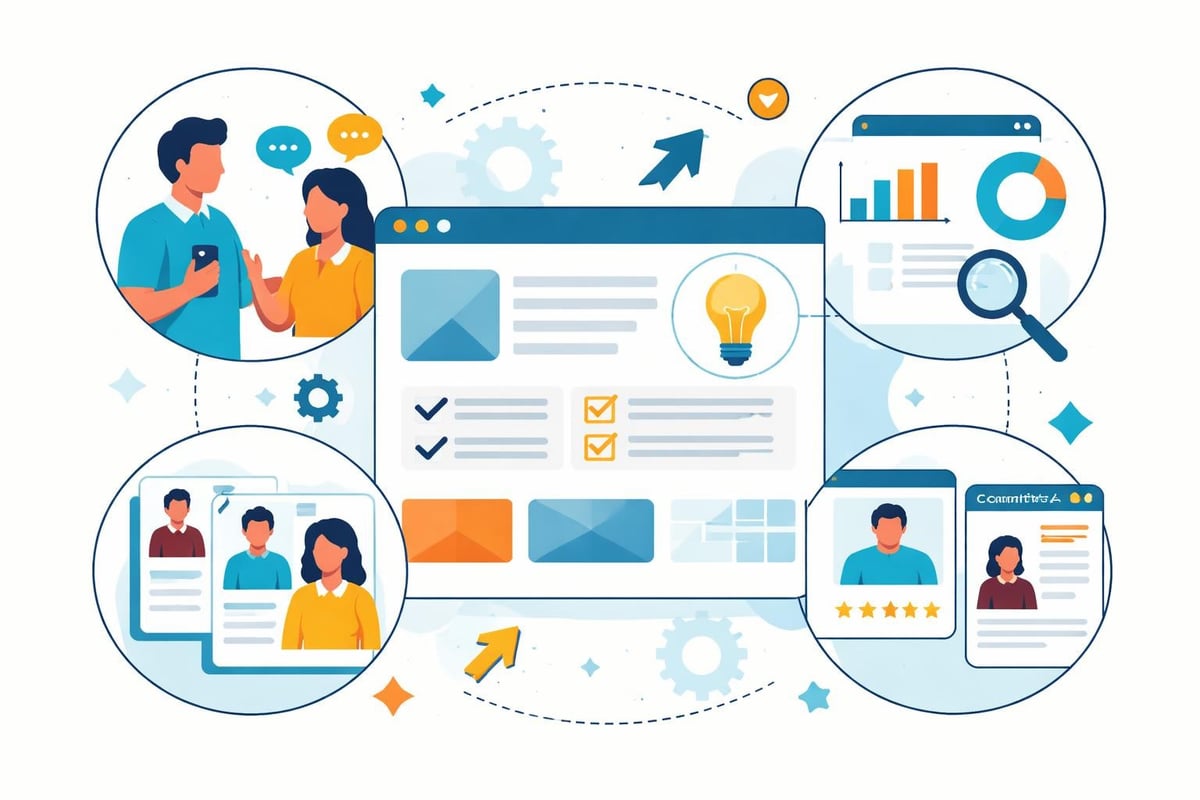
Research forms the foundation of effective in design web execution. Before a single pixel is placed, successful teams invest significant time understanding their audience, competitors, and market positioning.
User research methods have expanded beyond traditional surveys and interviews. In 2026, designers leverage behavioral analytics, heat mapping, session recordings, and AI-powered sentiment analysis to gain deep insights into user preferences and pain points. These data points inform every subsequent design decision.
Competitive analysis reveals opportunities for differentiation. By studying what works (and what doesn't) in similar websites, designers identify gaps they can exploit and patterns they should embrace. According to fundamental principles of web design and development, understanding these foundational elements separates mediocre websites from exceptional ones.
In Design Web Technical Implementation
Technical excellence supports creative vision in the in design web methodology. Modern websites must load quickly, respond smoothly, and function flawlessly across devices and browsers.
Performance-First Design Strategies
Performance optimization begins during the design phase, not after development completes. Designers must make informed choices about image sizes, animation complexity, and interactive elements that directly impact loading times and user experience.
| Performance Factor | Design Consideration | Impact on UX |
|---|---|---|
| Page Weight | Optimize images, limit heavy fonts | Faster initial load |
| Render Blocking | Minimize custom scripts, defer non-critical CSS | Quicker time to interactive |
| Responsive Images | Implement srcset, consider WebP format | Appropriate resolution per device |
| Animation | Use CSS transforms, limit simultaneous movements | Smooth 60fps performance |
Modern agencies like Creotivity leverage AI to accelerate the technical implementation of in design web principles. By automating repetitive coding tasks, Web Design teams can focus more energy on creative problem-solving and user experience refinement while delivering custom, high-performance websites faster than traditional methods allow.
The in design web approach demands that designers understand how their choices affect code complexity. A seemingly simple visual effect might require extensive JavaScript that degrades performance on mobile devices. Collaborative teams discuss these trade-offs openly, finding creative solutions that achieve visual goals without technical compromise.
Accessibility as a Design Foundation
Accessibility is non-negotiable in contemporary in design web practice. Designing for all users isn't just ethical-it's also smart business that expands your potential audience and improves search engine visibility.
Accessible design principles include:
- Color contrast ratios meeting WCAG 2.1 AA standards (minimum 4.5:1 for normal text)
- Keyboard navigation enabling full site functionality without a mouse
- Screen reader optimization through semantic HTML and ARIA labels
- Focus indicators clearly showing which element is currently selected
- Alternative text describing images for visually impaired users
Many designers mistakenly view accessibility as a constraint. In reality, accessible websites benefit all users. Clear typography helps everyone read content more easily. Keyboard navigation assists power users who prefer keyboard shortcuts. Semantic structure improves search engine comprehension.
Freelance professionals like Leone Finzi demonstrate how personalized approaches to web design can create engaging digital experiences while maintaining accessibility standards. This attention to inclusive design reflects the maturity of modern in design web practices.
Content Strategy Within In Design Web
Content and design are inseparable partners in the in design web framework. Visual layouts must serve content goals while content must be crafted for designed contexts.
Designing for Content Hierarchy
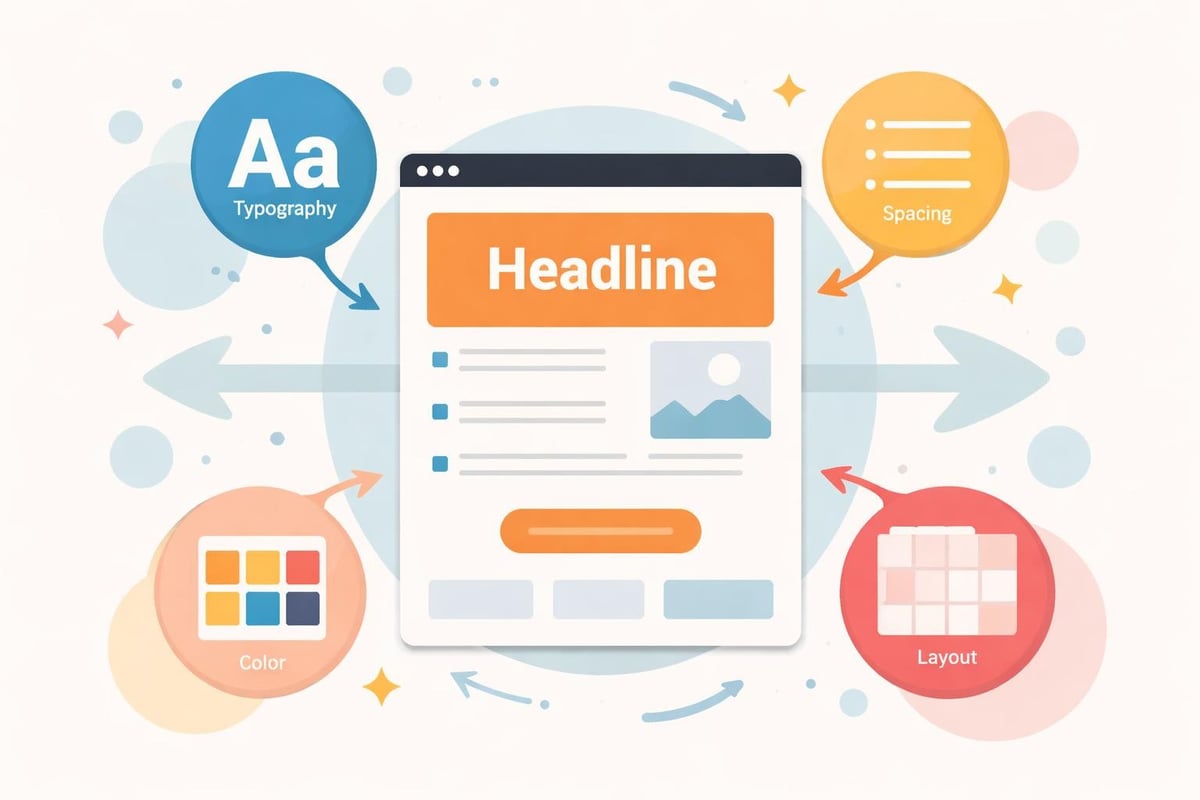
Effective websites guide users through information using visual hierarchy. This hierarchy communicates importance, relationships, and recommended reading order through size, color, positioning, and spacing.
Hierarchy techniques include:
- Scale variation - Larger elements attract attention first
- Typographic contrast - Font weight, style, and family create distinction
- Color emphasis - Strategic color use highlights key information
- Whitespace - Generous spacing elevates important content
- Directional cues - Arrows, lines, and alignment guide the eye
Understanding what makes effective web design helps teams create layouts that naturally guide user attention. The in design web methodology requires testing these hierarchies with real users to validate assumptions about what captures attention and drives action.
Mobile-First Content Considerations
The in design web approach in 2026 is inherently mobile-first. With mobile devices accounting for the majority of web traffic, designers must prioritize small-screen experiences.
Mobile-first content strategy demands ruthless prioritization. Desktop layouts can accommodate extensive navigation menus, sidebar content, and supplementary information. Mobile screens force designers to identify what truly matters.
This constraint proves beneficial. By determining the essential core experience for mobile users, designers create clearer, more focused desktop layouts too. The mobile-first mindset eliminates unnecessary clutter and sharpens messaging.
Progressive disclosure techniques reveal complex information gradually. Accordions, expandable sections, and modal windows provide access to detailed content without overwhelming initial views. These patterns work effectively across all screen sizes when implemented thoughtfully.
Design Systems and Component Libraries
Scalability and consistency define modern in design web execution. Design systems provide the framework for maintaining coherent experiences as websites grow and evolve.
Building Effective Design Systems
A comprehensive design system includes foundational elements, component libraries, patterns, and usage guidelines. These resources enable multiple team members to contribute while maintaining visual and functional consistency.
Design system components:
- Foundations - Color palettes, typography scales, spacing units, grid systems
- Components - Buttons, forms, cards, navigation elements, modals
- Patterns - Login flows, checkout processes, search interfaces
- Guidelines - When to use specific components, accessibility requirements, brand voice
Tools like Webflow have revolutionized how teams implement design systems, offering visual development platforms that maintain consistency while enabling rapid iteration. The in design web methodology embraces these tools when they enhance collaboration and output quality.
Documentation separates functional design systems from component collections. Clear guidelines explain not just what components exist but when and how to use them. This documentation reduces decision fatigue and accelerates the design process.
Version Control for Design Assets
Just as developers use Git for code management, modern in design web teams version control their design files. This practice enables collaboration, tracks changes, and prevents conflicting work.
Design version control platforms provide commenting, branching, and merging capabilities specifically adapted for visual assets. Multiple designers can work simultaneously on different website sections without overwriting each other's contributions.
Historical versions serve as valuable references. Teams can review previous iterations, understand why certain decisions were made, and occasionally resurrect abandoned concepts that become relevant again.
Testing and Iteration in In Design Web
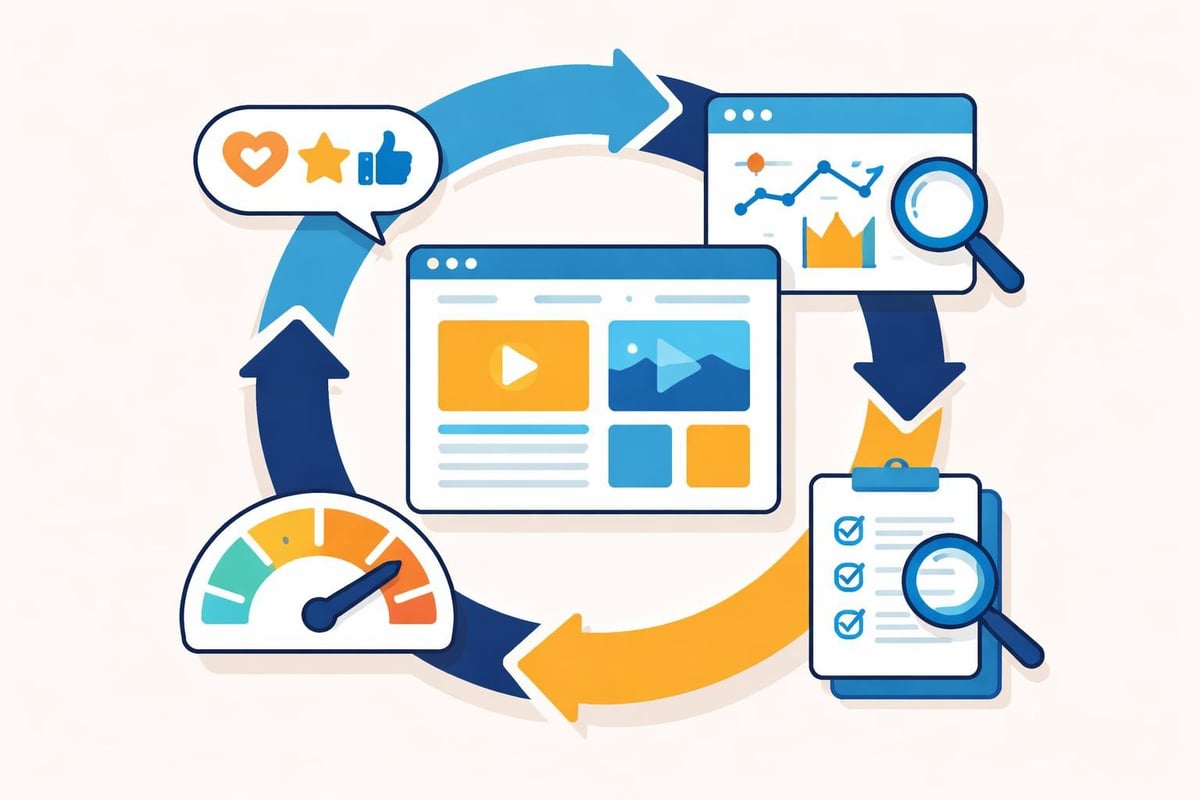
The in design web philosophy recognizes that initial designs represent hypotheses, not final solutions. Testing validates or refutes these hypotheses, directing iterative improvements.
User Testing Methodologies
Multiple testing approaches reveal different insights about design effectiveness. Comprehensive in design web programs incorporate various methodologies throughout the development process.
| Testing Method | Primary Purpose | Best Timing | Typical Duration |
|---|---|---|---|
| Usability Testing | Identify friction points | Pre-launch, quarterly | 60-90 minutes per session |
| A/B Testing | Compare specific variations | Post-launch, ongoing | 2-4 weeks per test |
| First Click Testing | Validate navigation clarity | During design phase | 10-15 minutes per session |
| Card Sorting | Optimize information architecture | Early design phase | 30-45 minutes per session |
Qualitative testing provides rich context. Watching users interact with prototypes reveals unexpected behaviors and misunderstandings that analytics alone cannot capture. These sessions generate actionable insights that directly inform design refinements.
Quantitative testing measures impact at scale. A/B testing specific variations on live websites provides statistically significant data about which design choices drive better outcomes. However, testing requires sufficient traffic volumes and patience to reach valid conclusions.
Those interested in expanding their expertise can explore comprehensive web design courses that cover testing methodologies alongside core design principles.
Optimizing In Design Web for Search Visibility
Search engine optimization and user experience are increasingly aligned in 2026. The in design web methodology naturally produces websites that satisfy both user needs and search engine requirements.
Technical SEO Considerations in Design
Design decisions profoundly impact search visibility. Fast-loading pages, mobile responsiveness, and clear information architecture all influence rankings while simultaneously improving user experience.
Semantic HTML structure helps search engines understand content relationships and importance. Proper heading hierarchies (H1, H2, H3) communicate content organization. Descriptive link text provides context about destination pages. Alt text for images improves accessibility while enabling image search visibility.
Modern SEO strategies integrate seamlessly with in design web principles when teams understand how design choices affect crawlability, indexability, and ranking factors. The technical foundation established during design phases determines long-term search performance potential.
Businesses must also consider how websites perform in Google and other search platforms when making design decisions. Clean code, logical structure, and strategic content placement support both user satisfaction and search visibility.
Content Design for Search Intent
Understanding search intent informs content creation and presentation. Users searching for informational content expect comprehensive articles. Those seeking transactional pages want clear product information and straightforward purchasing paths.
The in design web approach aligns page design with dominant search intent. Product pages prioritize specifications, pricing, and conversion elements. Blog articles emphasize readability, supporting images, and logical content flow. Service pages balance persuasive messaging with trust signals.
Structured data markup enhances search appearance through rich snippets, knowledge panels, and other enhanced results. Implementing schema.org vocabulary requires coordination between design and development teams to ensure proper implementation.
Emerging Technologies Shaping In Design Web
The in design web landscape continues evolving as new technologies mature and user expectations shift. Forward-thinking teams monitor these developments, selectively adopting innovations that provide genuine value.
AI-Powered Design Assistance
Artificial intelligence tools increasingly augment human creativity rather than replacing it. AI assists with repetitive tasks like resizing images, generating color variations, and creating initial layout suggestions.
However, the in design web philosophy maintains that human judgment remains essential. AI cannot understand brand nuance, strategic positioning, or emotional resonance the way experienced designers can. The most effective implementations use AI for efficiency gains while preserving human creativity for strategic decisions.
AI also transforms personalization capabilities. Websites can dynamically adjust layouts, content, and calls-to-action based on user behavior, demographics, and preferences. This technology enables individual users to experience optimized versions of the same website.
Progressive Web Applications
Progressive Web Apps (PWAs) blur the line between websites and native applications. These experiences provide app-like functionality-offline access, push notifications, home screen installation-through web technologies.
The in design web approach to PWAs requires careful consideration of when these capabilities enhance user experience versus when they introduce unnecessary complexity. Not every website benefits from offline functionality or push notifications.
For appropriate use cases, PWAs deliver significant advantages. E-commerce sites enable product browsing without internet connectivity. Content platforms can prefetch articles for seamless reading. Service businesses can send appointment reminders through web push notifications.
Professional Development and In Design Web Skills
Mastering the in design web methodology requires continuous learning and skill development. The field evolves rapidly as technologies advance and user expectations shift.
Essential Competencies for Modern Web Designers
Contemporary web designers need diverse capabilities spanning creative, technical, and strategic domains. The in design web approach values T-shaped professionals with broad knowledge and deep expertise in specific areas.
Core competencies include:
- Visual design principles (typography, color theory, composition)
- User experience research and testing
- Interaction design and prototyping
- Responsive design and mobile optimization
- Basic front-end development (HTML, CSS, JavaScript fundamentals)
- Design systems and component-based thinking
- Accessibility standards and implementation
- Performance optimization strategies
- SEO fundamentals and content strategy
Resources like Adobe's guide to becoming a web designer outline educational paths and skill requirements for those entering or advancing in the field. The comprehensive overview of web design on Wikipedia provides historical context and breadth of related disciplines.
Staying Current with Industry Evolution
The in design web field rewards those who actively engage with professional communities, attend conferences, and experiment with emerging tools. Passive learning is insufficient given the pace of change.
Following thought leaders, participating in design challenges, and contributing to open-source projects accelerate skill development. These activities expose designers to diverse perspectives and innovative approaches.
Regular portfolio updates demonstrate growth and current capabilities. The in design web methodology itself emphasizes iteration and continuous improvement-principles that apply equally to professional development as to website creation.
For those seeking deeper knowledge on specific topics, resources from organizations like the Interaction Design Foundation provide regularly updated content on web design theory and practice.
Collaboration and Communication in In Design Web Teams
Successful in design web execution depends on effective collaboration between designers, developers, content creators, and stakeholders. Communication breakdowns create inefficiencies and compromise final outputs.
Bridging Design and Development
Designers and developers often speak different professional languages. Designers focus on user experience, visual appeal, and brand expression. Developers prioritize clean code, scalability, and technical performance.
The in design web methodology creates shared vocabulary and mutual understanding. Regular design reviews with development input identify technical constraints early. Developer participation in user research sessions builds empathy for user needs.
Design handoff processes have evolved significantly. Modern tools enable interactive prototypes with annotations, measurements, and asset exports. These resources minimize ambiguity and reduce back-and-forth questions during implementation.
Pair programming-a developer and designer working together on implementation-accelerates both execution and knowledge transfer. Designers learn how their decisions translate to code while developers understand design intentions more fully.
Managing Stakeholder Expectations
Stakeholders often lack design expertise but hold decision-making authority. The in design web approach requires educating stakeholders about design principles while respecting their business knowledge and strategic insights.
Effective stakeholder management strategies:
- Early involvement - Include stakeholders in research and strategy phases
- Design rationale - Explain the reasoning behind design decisions
- Iterative reviews - Schedule regular checkpoints rather than single big reveals
- Objective criteria - Reference user testing data and analytics rather than personal preferences
- Visual examples - Show competitors and inspiration to establish shared understanding
Presenting design work effectively prevents subjective debates. Designers should articulate how specific choices serve business objectives and user needs. Data from user testing provides objective validation that transcends personal taste.
The in design web methodology represents the maturation of web design as a discipline, integrating user research, visual design, technical implementation, and continuous optimization into a cohesive process. As we progress through 2026, these principles continue guiding the creation of websites that are beautiful, functional, and effective at achieving business goals. Creotivity specializes in implementing these modern approaches, using AI-powered development to deliver custom, high-performance websites optimized for both traditional search engines and emerging AI platforms. Ready to transform your digital presence with contemporary in design web strategies? Contact Creotivity to discuss how we can build a website that attracts, engages, and converts your ideal customers.