Websites in Google: Complete 2026 Ranking Guide
Understanding how websites in Google achieve visibility and rankings has become increasingly complex in 2026. With artificial intelligence deeply integrated into search algorithms, machine learning models processing billions of queries, and user experience signals carrying more weight than ever, businesses must navigate a sophisticated digital landscape. This comprehensive guide explores the mechanisms that determine how websites appear in Google results, the critical factors influencing rankings, and actionable strategies to improve your online visibility in today's competitive search environment.
How Google Discovers and Indexes Websites
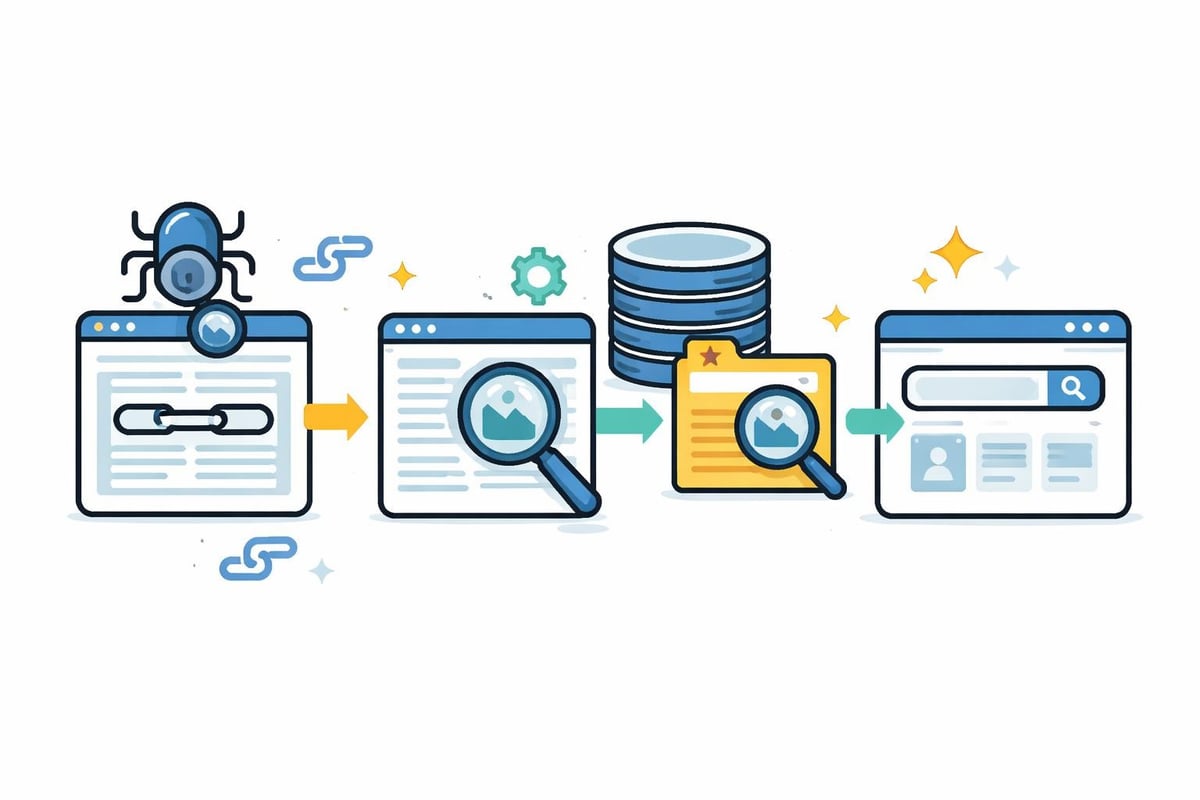
Google's ability to find and catalog websites in Google begins with a sophisticated crawling process. Search engines deploy automated programs called crawlers or spiders that continuously traverse the web, following links from one page to another. When Google discovers a new website or page, it analyzes the content, structure, and connections to determine what information it contains and how it relates to other web resources.
The indexing phase follows crawling, where Google stores and organizes information about your website in massive databases. This process involves parsing your content, identifying keywords and topics, analyzing images and multimedia, and understanding the relationships between different pages on your site. Without proper indexing, your website cannot appear in search results, regardless of its quality or relevance.
The Role of Sitemaps and Robots.txt
Website owners can facilitate Google's discovery process through technical implementations:
- XML sitemaps provide a roadmap of all important pages on your site
- Robots.txt files instruct crawlers which areas to access or avoid
- Internal linking structures help distribute crawling priority across pages
- Submit URLs directly through Google Search Console for immediate consideration
Modern websites benefit from tools like Google Search Console, which provides insights into crawling activity, indexing status, and potential technical issues that might prevent pages from appearing in search results.
Core Ranking Factors for Websites in Google
The algorithms that determine where websites in Google appear in search results consider hundreds of distinct signals. While Google maintains some secrecy around exact weighting, extensive research and official statements have revealed the most influential ranking factors businesses should prioritize.
Content Quality and Relevance
High-quality content remains the foundation of search success. Google's algorithms, particularly Google Panda, specifically target content quality. Websites that provide comprehensive, accurate, and valuable information consistently outperform thin or duplicated content.
| Quality Signal | Impact on Rankings | Implementation Priority |
|---|---|---|
| Content Depth | Very High | Create comprehensive guides over surface-level articles |
| Originality | Very High | Produce unique insights and perspectives |
| Accuracy | High | Fact-check and cite authoritative sources |
| Freshness | Medium-High | Update content regularly with current information |
| Readability | Medium | Structure content for easy scanning and comprehension |
Relevance extends beyond keyword matching. Google's RankBrain algorithm uses machine learning to understand search intent and semantic relationships. Websites in Google that thoroughly address user questions and needs rank higher than those merely stuffed with target keywords.
Technical Performance and User Experience
Website speed, mobile responsiveness, and overall technical health significantly influence rankings. Google's Core Web Vitals measure specific performance metrics:
- Largest Contentful Paint (LCP) evaluates loading performance
- First Input Delay (FID) measures interactivity
- Cumulative Layout Shift (CLS) assesses visual stability
Professional web design services can accelerate development timelines while ensuring technical excellence, using AI to optimize code structure and performance metrics that directly impact how websites in Google compete for top positions.
Authority and Backlink Profile
The original PageRank algorithm established that links from other websites serve as votes of confidence. While Google's ranking systems have evolved substantially, backlinks remain critical. Quality matters more than quantity in 2026.
Authoritative backlinks signal trustworthiness to Google. A single link from a respected industry publication carries more weight than dozens of links from low-quality directories. Building authority requires:
- Creating linkable assets that naturally attract references
- Developing relationships with industry publications and bloggers
- Producing original research or data that others cite
- Participating authentically in your professional community
- Ensuring your business appears in relevant directories and listings
Optimizing Websites for Google Search Visibility
Successfully positioning websites in Google requires a strategic approach that addresses both on-page and off-page factors. Modern optimization balances technical excellence with user-focused content creation.
On-Page SEO Fundamentals
Every page on your website should follow optimization best practices:
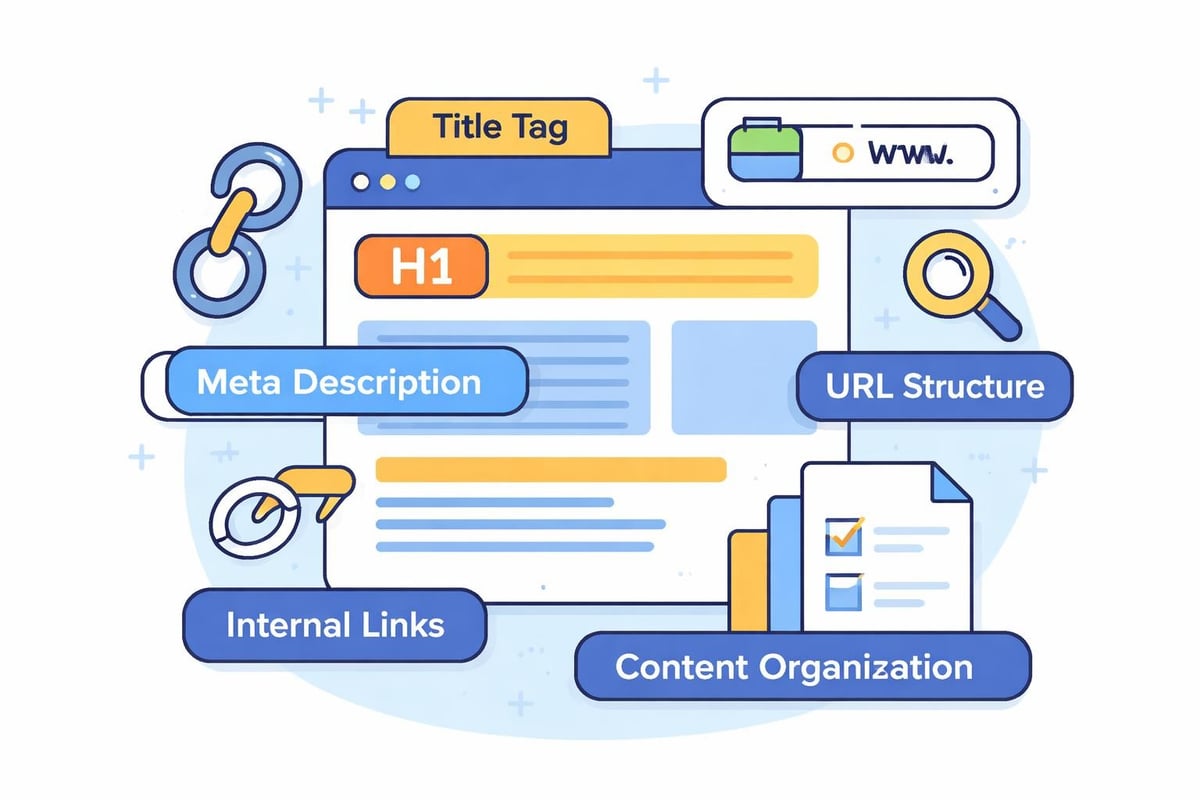
Title tags and meta descriptions should accurately describe page content while incorporating relevant keywords naturally. These elements appear in search results and influence click-through rates, which Google monitors as a quality signal.
Header structure organizes content hierarchically, making it easier for both users and search engines to understand information architecture. Use H2 and H3 tags to break content into logical sections with descriptive headings.
URL structure should be clean and descriptive. Websites in Google with readable URLs like "example.com/seo-strategies" perform better than cryptic alternatives like "example.com/p?id=12345."
Internal linking distributes authority throughout your site while helping visitors discover related content. Strategic internal links guide both users and crawlers to your most important pages.
Content Strategy for Search Success
Effective content strategies align with how people actually search. Comprehensive keyword research identifies opportunities where your expertise matches user intent.
Topic clusters organize content around pillar pages and supporting articles. This structure demonstrates topical authority, helping websites in Google establish expertise in specific subject areas. A pillar page covers a broad topic comprehensively, while cluster content explores specific subtopics in detail, all linking back to the central resource.
Content formats should vary based on topic and user preference:
- Long-form guides for complex subjects requiring detailed explanation
- Step-by-step tutorials for process-oriented searches
- Comparison articles for purchase-related queries
- Quick-answer content for simple factual questions
- Video and multimedia for visual learning preferences
According to recent ranking factor research, comprehensive content that thoroughly addresses user questions consistently outranks shorter, superficial alternatives.
Technical SEO for Website Performance
Technical optimization ensures Google can efficiently crawl, understand, and rank your website. Even excellent content fails to perform when technical barriers prevent proper indexing.
Site Architecture and Navigation
Well-structured websites in Google feature clear hierarchies that distribute authority effectively. Flat site architecture minimizes the clicks required to reach any page from the homepage, ensuring all content remains accessible to both users and crawlers.
Navigation should be intuitive and consistent across all pages. Main navigation menus, footer links, and breadcrumb trails help visitors orient themselves while providing additional crawling pathways for search engines.
Mobile Optimization Requirements
Google uses mobile-first indexing, meaning it primarily evaluates the mobile version of websites in Google when determining rankings. Responsive design ensures your site adapts appropriately to different screen sizes without requiring separate mobile URLs.
Mobile optimization extends beyond visual adaptation:
- Touch-friendly buttons and links with adequate spacing
- Readable text without requiring zoom
- Optimized images that load quickly on cellular connections
- Simplified navigation appropriate for smaller screens
Technical audits using tools like Screaming Frog identify mobile usability issues, duplicate content, broken links, and other problems that negatively impact how websites in Google perform in search results.
Structured Data and Schema Markup
Structured data helps Google understand specific types of content on your website. Schema markup provides explicit signals about products, reviews, events, recipes, and other content types, enabling rich results that stand out in search listings.
| Schema Type | Benefit | Use Case |
|---|---|---|
| Organization | Enhanced brand presence | Company information, logo, social profiles |
| LocalBusiness | Google Maps visibility | Physical locations, hours, contact details |
| Article | News and blog features | Publishing date, author, featured image |
| Product | Shopping results | Price, availability, reviews |
| FAQ | Expanded search listings | Common questions and answers |
Implementing structured data properly can significantly improve how websites in Google appear in search results, capturing more attention and generating higher click-through rates.
Monitoring and Measuring Search Performance
Tracking performance metrics provides insights into how effectively websites in Google compete for visibility and what improvements generate the best results.
Essential Analytics and Tracking
Setting up comprehensive analytics enables data-driven optimization decisions. Modern platforms like Google Analytics 4 track user behavior, conversion paths, and engagement metrics that reveal how visitors interact with your content.
For businesses prioritizing data privacy and European compliance, platforms like EuroMetrics offer GDPR-compliant analytics without cookies, providing clean insights while respecting user privacy requirements.
Key metrics to monitor regularly include:
- Organic traffic volume and trends
- Keyword rankings for target terms
- Click-through rates from search results
- Bounce rates and time on page
- Conversion rates from organic visitors
Search Console Insights
Google Search Console provides direct feedback about how Google perceives your website. This comprehensive tutorial demonstrates the platform's features and practical applications for improving search performance.
Performance reports show which queries trigger impressions, how often users click your listings, and average ranking positions. Coverage reports identify indexing issues, while enhancement reports highlight opportunities to implement structured data or improve mobile usability.
Common Challenges Affecting Website Rankings
Even well-optimized websites in Google encounter obstacles that limit their search visibility. Understanding common challenges helps businesses address problems before they significantly impact rankings.
The New Website Penalty Myth
Many new websites experience what appears to be a ranking penalty, often attributed to the sandbox effect. While Google has never confirmed a deliberate new site penalty, fresh domains typically require time to establish trust signals and accumulate the authority needed to compete for competitive keywords.
New websites should focus on:
- Building foundational content across core topic areas
- Earning initial backlinks from reputable sources
- Establishing consistent publishing patterns
- Creating shareable resources that attract natural links
- Targeting long-tail keywords with lower competition initially
Algorithm Updates and Volatility
Google continuously refines its algorithms, sometimes causing significant ranking fluctuations. Major updates typically target specific quality issues or attempt to better align results with user intent.
Websites in Google that follow sustainable optimization practices experience less volatility during updates compared to those relying on manipulative tactics. Building authority through genuine value creation insulates sites from most algorithm changes.
Recovery from negative algorithm impacts requires identifying the quality issue Google addressed and making substantive improvements rather than seeking quick technical fixes.
Advanced Strategies for Competitive Markets
Highly competitive industries require sophisticated approaches beyond basic optimization. Websites in Google competing for valuable commercial keywords must differentiate through comprehensive strategies.
Topic Authority Development
Becoming a recognized authority on specific topics signals expertise to both users and search engines. This involves creating interconnected content that thoroughly covers all aspects of your subject matter.
Strategic content planning identifies gaps in existing coverage where your unique perspective adds value. Rather than competing directly with established authorities on broad topics, focus on specific angles or emerging subtopics where you can provide superior information.
Authority signals include:
- Consistent publication of original research and insights
- Recognition from industry publications and influencers
- Speaking engagements and expert citations
- Comprehensive coverage of niche specializations
- Active engagement in professional communities
Multi-Channel Presence
Modern search visibility extends beyond traditional Google results. Understanding how AI search engines work and optimizing for platforms like ChatGPT, Claude, and Perplexity ensures your business appears when users seek information through conversational interfaces.
This comprehensive approach to digital visibility recognizes that websites in Google must also appear in AI-generated answers, social platform searches, and vertical search engines relevant to their industry. According to current ranking factor analysis, websites with strong multi-channel presence demonstrate broader authority that positively influences traditional search rankings.
Local SEO for Geographic Targeting
Businesses serving specific geographic areas benefit from local optimization strategies. Google Business Profile optimization, local citations, and location-specific content help websites in Google appear for geographically modified searches and in map results.
Local ranking factors differ from organic search:
- Proximity to the searcher's location
- Consistency of NAP (Name, Address, Phone) across directories
- Quantity and quality of customer reviews
- Local backlinks from community organizations and publications
- Locally relevant content addressing regional topics
The Future of Websites in Google
Search continues evolving as user behavior shifts and technology advances. Websites in Google must adapt to emerging trends while maintaining foundational optimization principles.
AI Integration and Search Generative Experience
Google's integration of generative AI into search results fundamentally changes how information appears. Traditional blue links now compete with AI-generated summaries that synthesize information from multiple sources.
Optimizing for this environment requires ensuring your content appears as a source for AI summaries. Clear, authoritative information structured for easy extraction increases the likelihood of inclusion. Businesses exploring AIO strategies position themselves for visibility in both traditional and AI-enhanced search experiences.
Voice Search and Natural Language Queries
Conversational search queries continue growing as voice assistants become more prevalent. Websites in Google optimized for natural language questions capture traffic from users who ask complete questions rather than typing keyword fragments.
Voice search optimization includes:
- Creating content that answers specific questions directly
- Using conversational language that matches how people speak
- Implementing FAQ sections with natural question formats
- Optimizing for local searches ("near me" queries)
- Ensuring fast loading times for mobile voice searchers
E-E-A-T and Content Credibility
Google's emphasis on Experience, Expertise, Authoritativeness, and Trustworthiness (E-E-A-T) reflects the challenge of distinguishing quality information in an era of content proliferation. Websites in Google demonstrating genuine expertise through author credentials, cited sources, and verified information achieve better rankings, particularly for topics affecting health, finance, or safety.
Building E-E-A-T requires transparent authorship, clear privacy policies, secure connections (HTTPS), and content that demonstrates real-world experience rather than generic information aggregation. Regular content audits ensure accuracy and relevance as information evolves.
Successfully positioning websites in Google requires comprehensive strategies that address technical performance, content quality, user experience, and authority development. As search algorithms grow more sophisticated and AI integration reshapes how information appears, businesses must balance optimization fundamentals with emerging best practices across multiple platforms. Whether you're launching a new website or improving existing search performance, Creotivity combines AI-accelerated development with proven optimization strategies to help businesses achieve visibility across Google, AI search engines, and the evolving digital landscape.