
Web Design Brands: Building Identity in Digital Spaces
The digital landscape of 2026 has transformed how businesses establish their presence online, and web design brands have become the architects of this evolution. These specialized agencies and studios shape how companies communicate visually, creating cohesive digital experiences that resonate with audiences while maintaining strategic business objectives. Understanding what separates exceptional web design brands from the rest reveals critical insights into building successful online identities that drive results and foster meaningful connections with customers.
The Foundation of Strong Web Design Brands
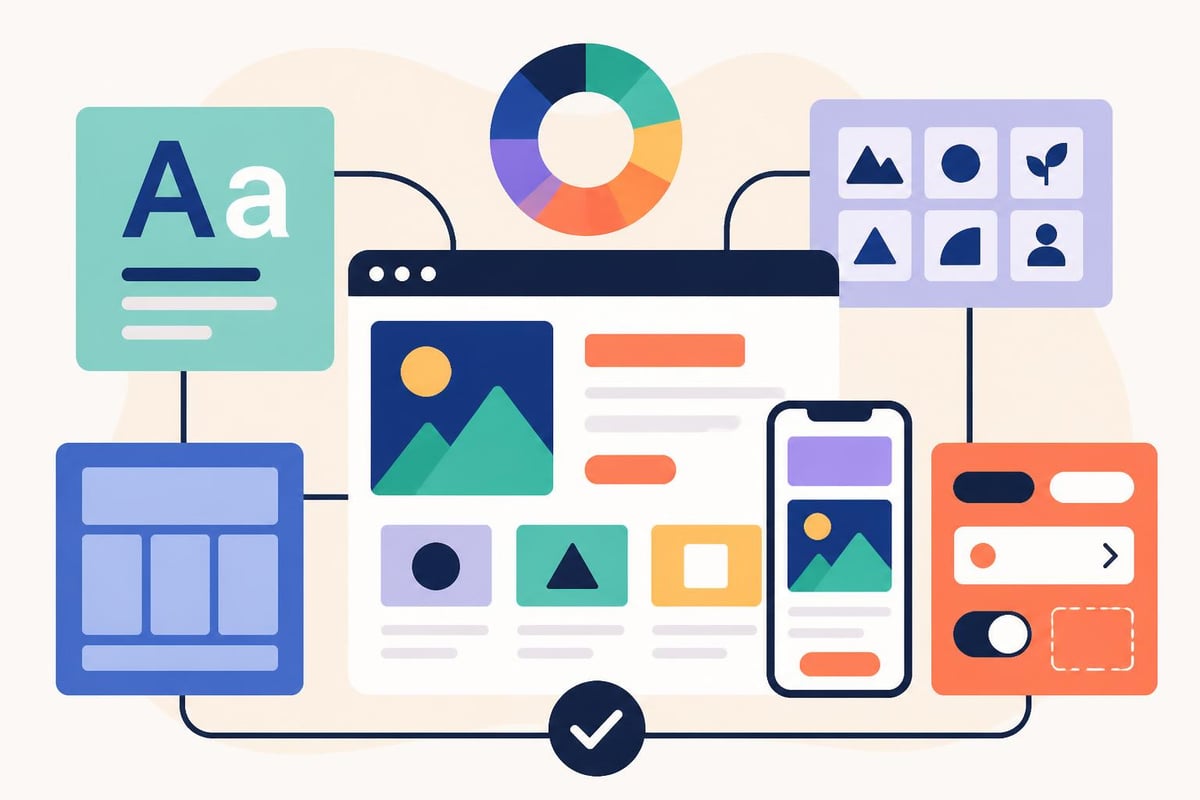
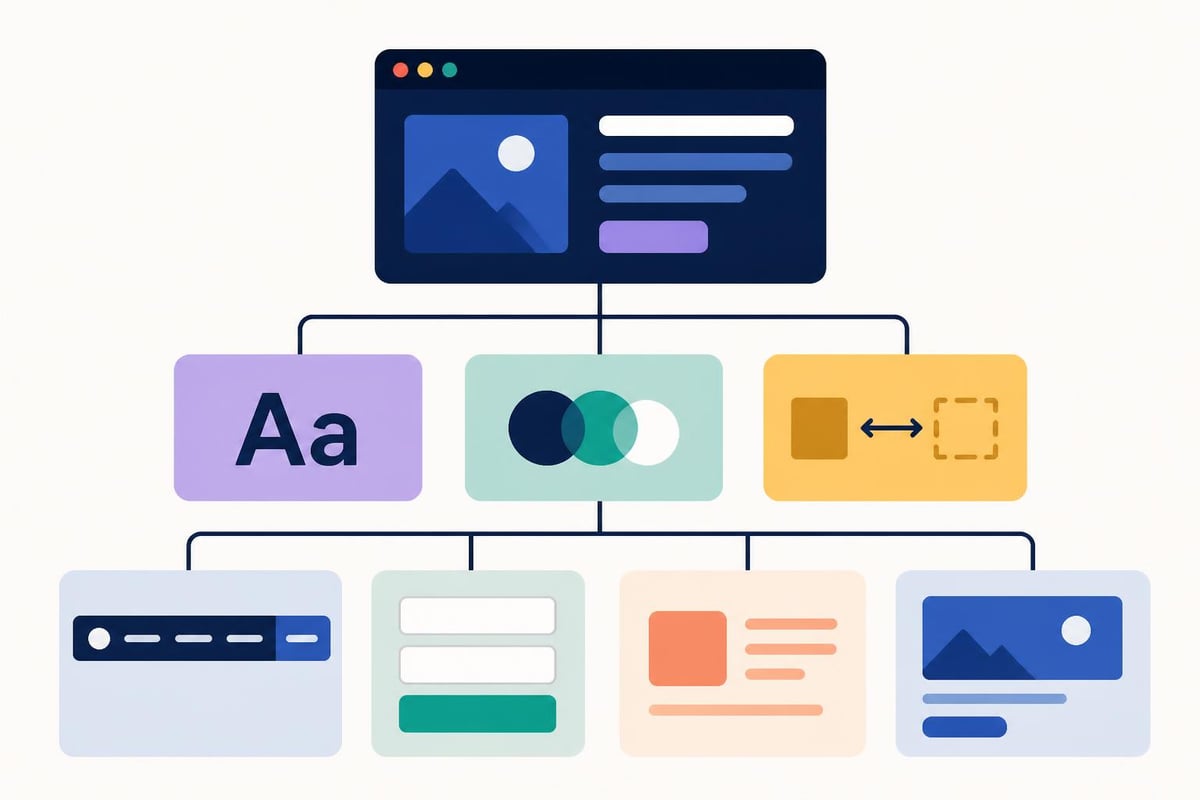
Web design brands distinguish themselves through consistent application of design principles across every digital touchpoint. This consistency extends beyond surface aesthetics to encompass user experience patterns, content hierarchy, and interaction design. The most successful agencies develop comprehensive design systems that serve as blueprints for all digital properties.
Visual identity forms the cornerstone of effective web design brands. These elements include carefully selected typography, strategic color palettes, purposeful visual assets, and deliberate layout structures. According to Shopify's branding guide, these six key elements work together to create memorable online experiences that customers recognize instantly.
What Defines Exceptional Web Design Brands
- Strategic thinking that aligns design decisions with business objectives
- User research methodologies that inform every creative choice
- Technical expertise ensuring performance and accessibility standards
- Brand consistency across platforms and touchpoints
- Measurable results demonstrating ROI and conversion improvements
The integration of these capabilities separates professional web design brands from basic template providers. Ramotion's case studies demonstrate how strategic design decisions directly correlate with business growth metrics and enhanced user engagement across diverse industries.
Industry Leaders Setting Standards
Top web design brands have established benchmarks that define contemporary digital excellence. These agencies demonstrate mastery across multiple dimensions including creative innovation, technical implementation, and strategic business alignment.
Several characteristics distinguish market-leading web design brands from competitors. They maintain portfolios showcasing diverse project types while preserving distinctive creative signatures. Creative Bloq's analysis of exemplary design portfolios reveals how effective presentation amplifies the impact of strong work.
| Brand Characteristic | Impact on Client Success | Industry Recognition |
|---|---|---|
| Strategic approach | 40-60% improvement in conversion rates | Award-winning campaigns |
| Technical excellence | 3x faster page load times | Development certifications |
| User research depth | 50% reduction in bounce rates | Published case studies |
| Design innovation | 2x engagement duration | Industry speaking invitations |
These metrics demonstrate the tangible value exceptional web design brands deliver to clients. The correlation between sophisticated design thinking and business outcomes becomes increasingly evident as markets mature and audiences grow more discerning.
The Evolution of Brand Expression
Modern web design brands navigate the delicate balance between innovation and recognition. Creative Bloq's examination of contemporary branding trends highlights how strategic refinements often prove more effective than complete overhauls. This approach maintains brand equity while adapting to evolving design standards and user expectations.
The shift toward iterative improvement reflects maturation within the industry. Web design brands now recognize that dramatic redesigns can confuse audiences and diminish hard-earned brand recognition. Instead, thoughtful evolution preserves core identity elements while modernizing presentation and functionality.
Establishing Design Systems and Guidelines
Professional web design brands create comprehensive design systems governing all visual and interactive elements. These systems ensure consistency while providing flexibility for growth and adaptation. The University of Missouri's web style guide exemplifies structured approaches to maintaining brand integrity across digital properties.
Design systems typically include:
- Typography hierarchies defining font families, sizes, weights, and usage rules
- Color palettes specifying primary, secondary, and accent colors with accessibility ratios
- Component libraries documenting buttons, forms, cards, and interface elements
- Spacing systems establishing consistent rhythm through margin and padding standards
- Grid structures defining layout patterns for various screen sizes and contexts
- Motion principles governing animations, transitions, and micro-interactions
These frameworks enable teams to execute designs efficiently while maintaining brand coherence. When properly documented and implemented, design systems reduce decision fatigue and accelerate production timelines without compromising quality.
Implementation Across Platforms
Web design brands must consider how identity translates across devices, platforms, and contexts. Responsive design principles ensure visual consistency whether users access content through smartphones, tablets, or desktop computers. Wix's design best practices emphasize mobile-friendly approaches that prioritize performance and usability across all environments.
The complexity of multi-platform design requires sophisticated planning and testing protocols. Successful web design brands develop comprehensive quality assurance processes that verify consistent rendering and functionality across browser types, operating systems, and device specifications.
User Experience and Brand Perception
The relationship between user experience design and brand perception represents one of the most critical considerations for web design brands. Every interaction shapes how audiences perceive professionalism, credibility, and trustworthiness. Poor navigation, slow loading times, or confusing layouts undermine even the most sophisticated visual identities.
Research in brand consistency demonstrates measurable impacts on user behavior and business outcomes. An integrated approach to brand consistency provides frameworks for analyzing and improving how web content aligns with broader brand strategies.
Key UX elements that reinforce brand identity:
- Navigation patterns that reflect organizational structure and priorities
- Content architecture organizing information to match user mental models
- Interactive feedback providing clear responses to user actions
- Loading states maintaining engagement during processing delays
- Error handling turning potential frustrations into brand-positive moments
These details collectively communicate brand values through functional design. Web design brands that master these subtleties create experiences where form and function reinforce each other seamlessly.
Technical Excellence and Performance
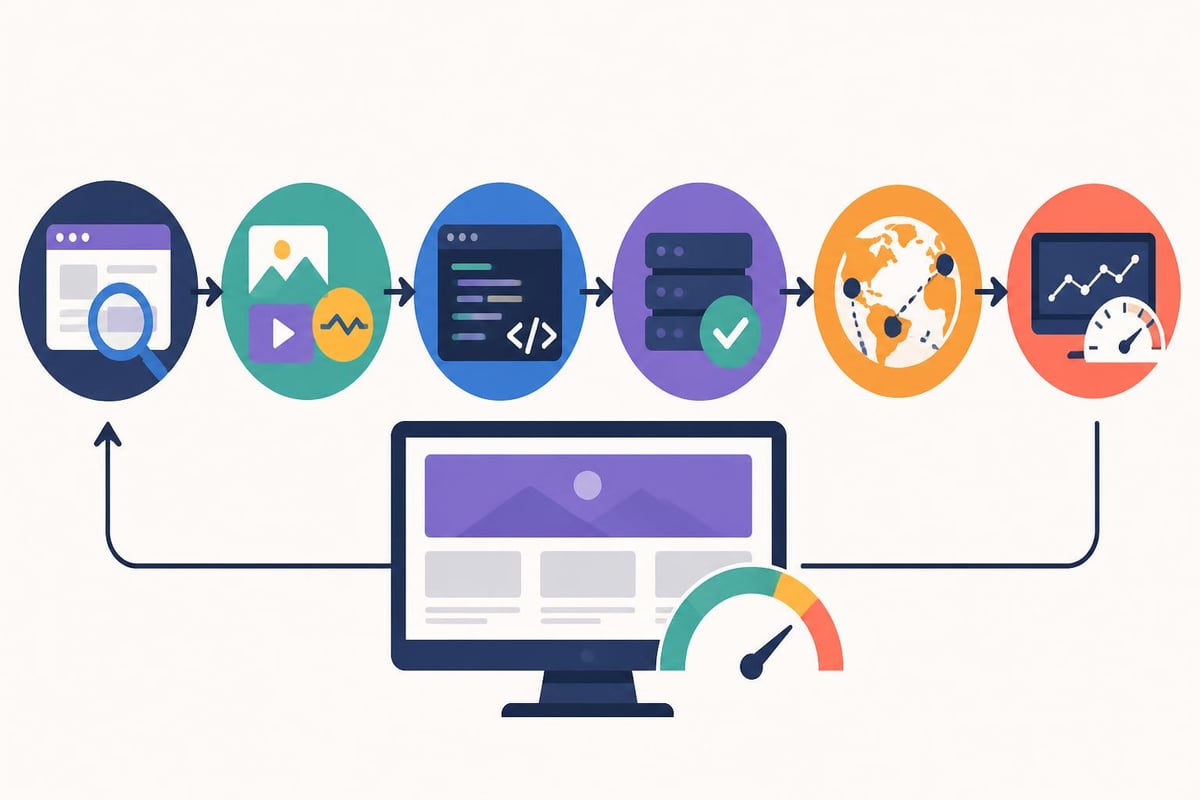
Modern web design brands must balance aesthetic ambitions with technical realities. Page speed, accessibility compliance, and search engine optimization directly impact both user satisfaction and business results. LYFE Marketing's best practices highlight how technical optimization supports broader business objectives.
Performance optimization requires strategic decisions throughout the design process. Image compression, code efficiency, server configuration, and content delivery networks all contribute to loading speed. These technical considerations influence design choices, from animation complexity to image usage patterns.
| Performance Metric | Target Benchmark | Brand Impact |
|---|---|---|
| First Contentful Paint | Under 1.8 seconds | Immediate professionalism perception |
| Time to Interactive | Under 3.9 seconds | Reduced abandonment rates |
| Cumulative Layout Shift | Under 0.1 | Perceived stability and quality |
| Largest Contentful Paint | Under 2.5 seconds | Engagement retention |
These Core Web Vitals represent Google's formalized performance standards, but their implications extend beyond search rankings. Users associate fast, stable websites with competent, trustworthy brands regardless of whether they consciously recognize these technical attributes.
Accessibility as Brand Value
Inclusive design practices reflect organizational values while expanding market reach. Web design brands increasingly recognize accessibility as both ethical imperative and business opportunity. Hostinger's comprehensive tutorial covers how UI/UX considerations intersect with accessibility requirements to create universally usable experiences.
Accessibility features benefit all users, not just those with disabilities. Clear contrast ratios improve readability in bright sunlight. Keyboard navigation supports power users seeking efficiency. Alternative text descriptions enhance search engine understanding. These inclusive practices strengthen brand perception while demonstrating social responsibility.
Building Recognition Through Consistency
Web design brands establish recognition through relentless consistency across every customer touchpoint. This consistency extends beyond visual elements to encompass tone of voice, interaction patterns, and content strategy. When executed effectively, consistency creates familiarity that breeds trust and preference.
The challenge lies in maintaining consistency while allowing necessary flexibility. Rigid adherence to outdated standards stifles innovation, while excessive variation confuses audiences and dilutes brand equity. Successful web design brands establish clear principles that guide decisions without constraining creativity.
Consistency manifests through:
- Unified visual language across marketing materials and digital products
- Standardized interaction patterns reducing cognitive load
- Coherent messaging reinforcing core brand values
- Predictable navigation structures improving usability
- Aligned tone and personality across content types
These elements combine to create cohesive brand experiences that feel intentional rather than accidental. The difference between professional web design brands and amateur efforts often comes down to this systematic approach to consistency.
Strategic Differentiation in Competitive Markets
Web design brands operating in competitive markets must identify and communicate unique value propositions. Generic claims about quality or service fail to resonate with sophisticated buyers who evaluate agencies based on demonstrable expertise and relevant experience. For agencies looking to enhance their approach, understanding web design and SEO integration provides competitive advantages in how sites perform beyond visual appeal.
Specialization offers one pathway to differentiation. Some web design brands focus exclusively on specific industries, developing deep expertise in sector-specific requirements and user behaviors. Others differentiate through technical capabilities, such as advanced animation, complex data visualization, or progressive web app development.
Portfolio Strength and Case Studies
The portfolio remains the primary tool for web design brands to demonstrate capabilities and attract ideal clients. Strong portfolios tell stories about challenges faced, strategies employed, and results achieved. They provide context explaining why specific design decisions were made and how they served business objectives.
Effective portfolios balance breadth and depth, showcasing range while demonstrating mastery. They include diverse project types and industries without appearing scattered or unfocused. Each case study should articulate the problem, solution, and measurable outcomes in ways that resonate with prospective clients facing similar challenges.
Collaborative Processes and Client Relationships
The most successful web design brands view client relationships as partnerships rather than transactions. This collaborative approach involves clients in strategic decisions while maintaining professional guidance throughout the design process. Clear communication, realistic timelines, and transparent pricing build trust that extends beyond individual projects.
Effective collaboration requires:
- Discovery processes that uncover underlying business needs and constraints
- Regular checkpoints ensuring alignment throughout development
- Feedback mechanisms collecting and incorporating stakeholder input
- Educational components helping clients understand design rationale
- Post-launch support ensuring successful implementation and adoption
These practices distinguish professional web design brands from vendors who simply execute specifications. The collaborative model produces superior outcomes because it leverages client domain expertise alongside design proficiency.
Measuring Success and Demonstrating Value
Web design brands must quantify impact through metrics that matter to business stakeholders. While aesthetic appreciation has value, decision-makers ultimately care about conversion rates, engagement duration, lead generation, and revenue attribution. Sophisticated agencies establish measurement frameworks before launch, tracking baseline metrics and documenting improvements.
Analytics platforms provide data about user behavior, traffic sources, conversion funnels, and engagement patterns. Heat mapping tools reveal how users interact with page elements. A/B testing validates design hypotheses through empirical evidence. These measurement practices transform subjective design discussions into objective performance analyses.
| Success Metric | Measurement Method | Business Impact |
|---|---|---|
| Conversion rate | Analytics tracking | Revenue generation |
| Engagement time | Session duration monitoring | Brand affinity |
| Bounce rate | Entry/exit analysis | Content relevance |
| Task completion | Goal tracking | User satisfaction |
These metrics create accountability while demonstrating return on investment. Web design brands that consistently deliver measurable improvements build reputations that attract premium clients and command higher fees.
Adapting to Technological Change
The rapid pace of technological evolution presents both challenges and opportunities for web design brands. New devices, platforms, and interaction paradigms continuously emerge, requiring agencies to maintain current knowledge while preserving timeless design principles. This balance between innovation and fundamentals separates adaptable brands from those that struggle with each technological shift.
Current trends shaping web design brands include artificial intelligence integration, voice interfaces, augmented reality experiences, and progressive web applications. These technologies create new possibilities for user engagement while introducing complexity in design and development processes.
Agencies that invest in emerging capabilities position themselves as forward-thinking partners rather than legacy providers. However, adoption timing matters. Premature investment in unproven technologies wastes resources, while delayed adoption allows competitors to establish expertise advantages.
Web design brands create lasting value by combining strategic thinking, technical excellence, and user-focused design into cohesive digital experiences that drive business results. The principles outlined throughout this article demonstrate how consistency, performance, and purposeful design decisions contribute to successful online identities. Whether you need a complete brand overhaul or strategic refinement of existing digital properties, Creotivity builds modern websites designed to rank highly on Google and AI search engines while delivering exceptional user experiences that convert visitors into customers.