Web Design and SEO: Building Sites That Rank in 2026
The relationship between visual aesthetics and search visibility has fundamentally transformed how businesses approach their online presence. In 2026, creating a website that merely looks appealing isn't enough-it must also perform exceptionally well in search results across both traditional and AI-driven platforms. Understanding how web design and SEO intersect has become essential for businesses seeking to maximize their digital investment and attract qualified customers through organic search channels.
The Foundation: Why Web Design and SEO Are Inseparable
Modern search algorithms evaluate websites through multiple lenses simultaneously. While Google's crawlers analyze technical infrastructure and content relevance, they also assess user experience signals that stem directly from design decisions. A visually stunning website that loads slowly or confuses visitors will struggle to rank, regardless of its keyword optimization.
The integration of web design and SEO principles requires a shift in thinking from treating these disciplines as separate projects. Instead, they function as complementary systems where each design choice impacts search performance, and every SEO consideration influences user experience.
Core Components That Connect Design to Rankings
Several fundamental elements bridge the gap between aesthetics and algorithmic approval:
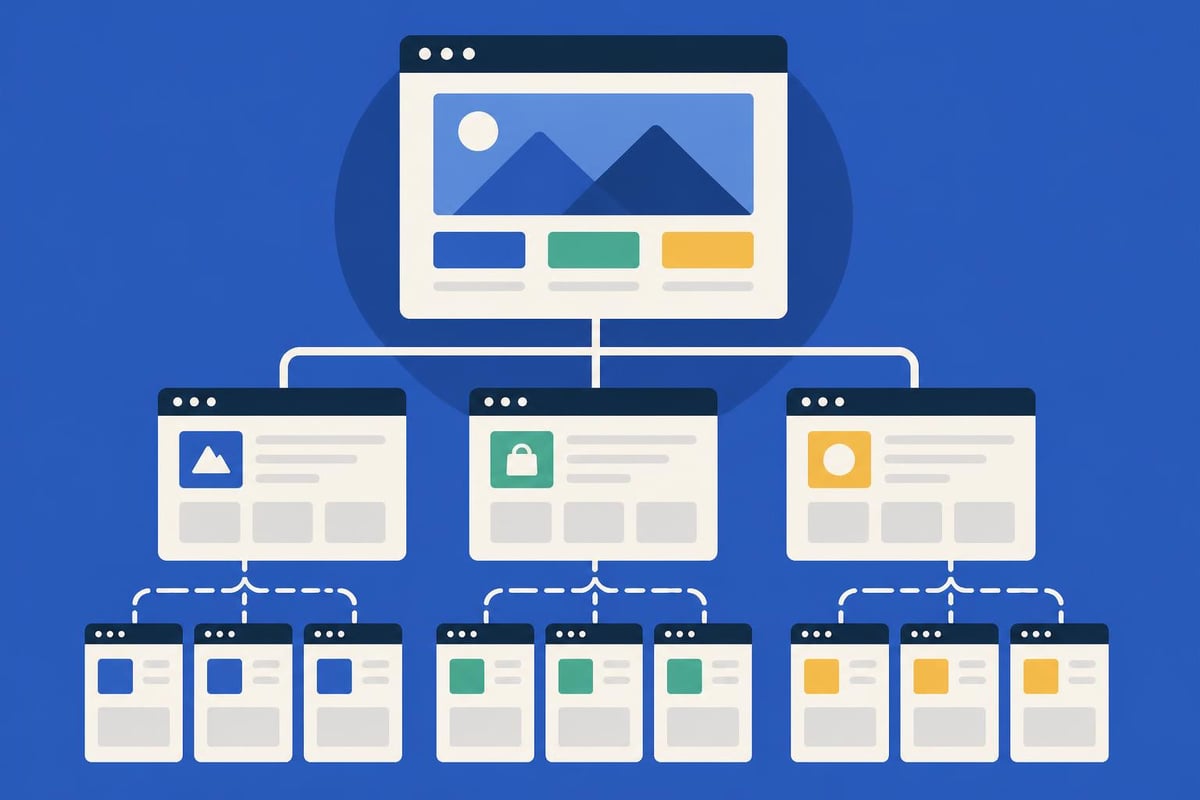
- Site architecture determines how search engines crawl and index your content
- Visual hierarchy guides both users and crawlers to your most important information
- Mobile responsiveness affects rankings across all device types
- Page speed influences both user satisfaction and search position
- Accessibility features improve usability while expanding content understanding
When choosing a website builder, these capabilities should be non-negotiable features rather than afterthoughts. The platform you select establishes the technical foundation upon which all future optimization efforts will build.
Technical Performance: The Invisible Design Elements
Technical optimization represents the behind-the-scenes work that makes beautiful design functional for search engines. These elements remain invisible to visitors but dramatically impact how search algorithms evaluate and rank your site.
Speed Optimization Strategies
Page loading speed has intensified as a ranking factor, particularly as Google's Core Web Vitals became standard evaluation criteria. Design decisions directly influence performance metrics:
| Design Element | Performance Impact | Optimization Approach |
|---|---|---|
| Images | 50-70% of page weight | Compression, WebP format, lazy loading |
| Custom fonts | 200-500KB additional load | Font subsetting, system font fallbacks |
| JavaScript frameworks | 1-3 second render delay | Code splitting, defer non-critical scripts |
| CSS files | Render-blocking resources | Critical CSS inline, async loading |
Implementing these optimizations requires collaboration between designers and developers from project inception. When teams integrate performance considerations into the initial design phase, they avoid costly redesigns and maintain both aesthetic quality and technical efficiency. For businesses exploring professional website design services, verifying that providers prioritize performance alongside aesthetics ensures long-term search competitiveness.
Mobile-First Architecture
With mobile searches dominating query volume, responsive design has evolved from a feature to a fundamental requirement. Google's mobile-first indexing means the mobile version of your site determines your search rankings across all devices.
Effective mobile web design and SEO integration requires:
- Touch-friendly interface elements with appropriate spacing and sizing
- Simplified navigation structures that work within limited screen real estate
- Optimized form designs that reduce friction on smaller screens
- Readable typography without requiring zoom or horizontal scrolling
- Streamlined content layouts that prioritize essential information
These considerations extend beyond simply scaling desktop layouts. They require reimagining information architecture and user journeys specifically for mobile contexts.
Content Structure and Visual Hierarchy
How you organize and present information affects both human comprehension and algorithmic understanding. Search engines have become increasingly sophisticated at evaluating content quality through layout analysis and engagement signals.
Strategic Heading Usage
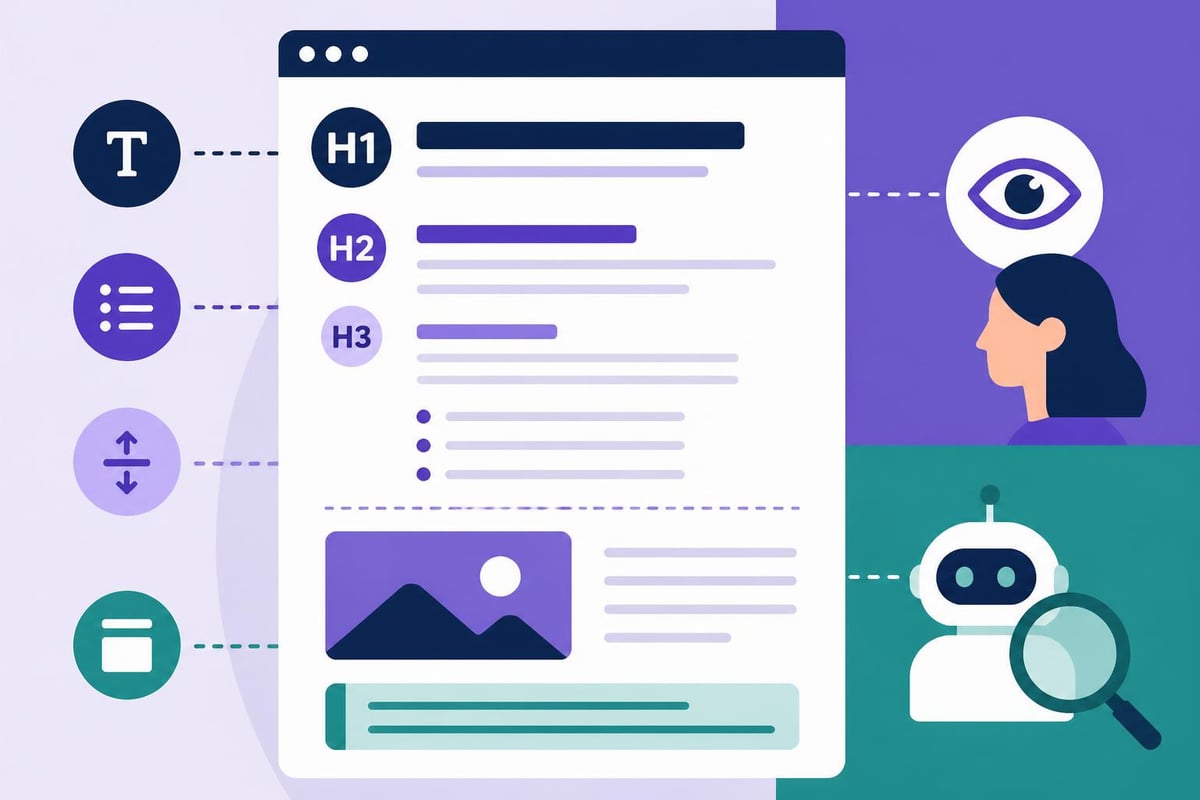
Heading tags (H1, H2, H3) serve dual purposes as visual organizers and semantic signals. Proper implementation helps search engines understand content relationships while improving scannability for users:
- Use one H1 per page containing your primary topic
- Structure H2 tags around key subtopics and related keywords
- Employ H3 tags for supporting details beneath each major section
- Maintain logical hierarchy without skipping levels
This structured approach creates clear content pathways that both users and crawlers can follow efficiently. When combined with descriptive heading text, it significantly improves topical relevance signals.
White Space and Content Digestibility
Generous spacing between elements isn't merely aesthetic-it directly impacts engagement metrics that influence rankings. Dense, cramped layouts increase bounce rates and reduce time on page, sending negative quality signals to search algorithms.
Effective use of white space involves:
- Padding between content sections for visual breathing room
- Line height adjustments that enhance text readability
- Strategic gaps that draw attention to conversion elements
- Margin considerations that prevent mobile content crowding
Navigation Design and Internal Linking
Site navigation represents a critical intersection point where web design and SEO objectives converge. The navigation system you implement determines how effectively search engines discover your content and how easily users accomplish their goals.
Architecture Patterns That Support Discovery
Different navigation structures create varying levels of crawl efficiency and user orientation:
| Navigation Type | SEO Benefit | Best Use Case |
|---|---|---|
| Hierarchical menu | Clear site structure, distributed authority | Large sites with distinct categories |
| Breadcrumb trails | Internal linking, reduced bounce rate | E-commerce, multi-level content sites |
| Footer navigation | Additional crawl paths, keyword opportunities | Supplementary page access |
| Related content links | Topical clustering, increased session depth | Blogs, knowledge bases |
Implementing multiple complementary navigation systems ensures comprehensive site coverage while serving different user needs and search engine requirements. As outlined in mastering SEO for websites, internal linking architecture significantly influences how authority flows through your domain.
Contextual Link Integration
Beyond structural navigation, contextual links embedded within content create powerful relevance signals. These links help establish topical authority by connecting related concepts and demonstrating content depth.
Effective contextual linking requires balancing user value with SEO objectives. Links should enhance understanding rather than interrupt reading flow, using descriptive anchor text that clearly indicates destination content. This approach builds coherent content clusters that search algorithms recognize as comprehensive topic coverage.
For businesses exploring AI website building solutions, ensuring the platform supports flexible internal linking capabilities preserves this crucial optimization lever.
Visual Content Optimization
Images, videos, and graphics enhance engagement while presenting unique optimization challenges. Search engines cannot "see" visual content the same way humans do, requiring strategic implementation to make these elements search-friendly.
Image SEO Fundamentals
Every image represents an opportunity to reinforce topical relevance and improve accessibility:
- Descriptive file names using relevant keywords before upload
- Alt text that accurately describes image content and context
- Compressed file sizes maintaining quality while minimizing load impact
- Responsive sizing serving appropriate dimensions for device types
- Structured data markup for enhanced search features like image packs
These practices ensure visual elements contribute to rather than detract from search performance. They also expand visibility through image search results, creating additional discovery pathways.
Video Integration Strategies
Video content has become increasingly important for engagement, but requires careful implementation to avoid performance penalties. Proper video integration balances user experience with technical efficiency through lazy loading, third-party hosting, and thumbnail optimization.
Creating compelling video ads using AI tools can enhance content marketing efforts while maintaining site performance when videos are hosted externally and embedded strategically.
Schema Markup and Structured Data
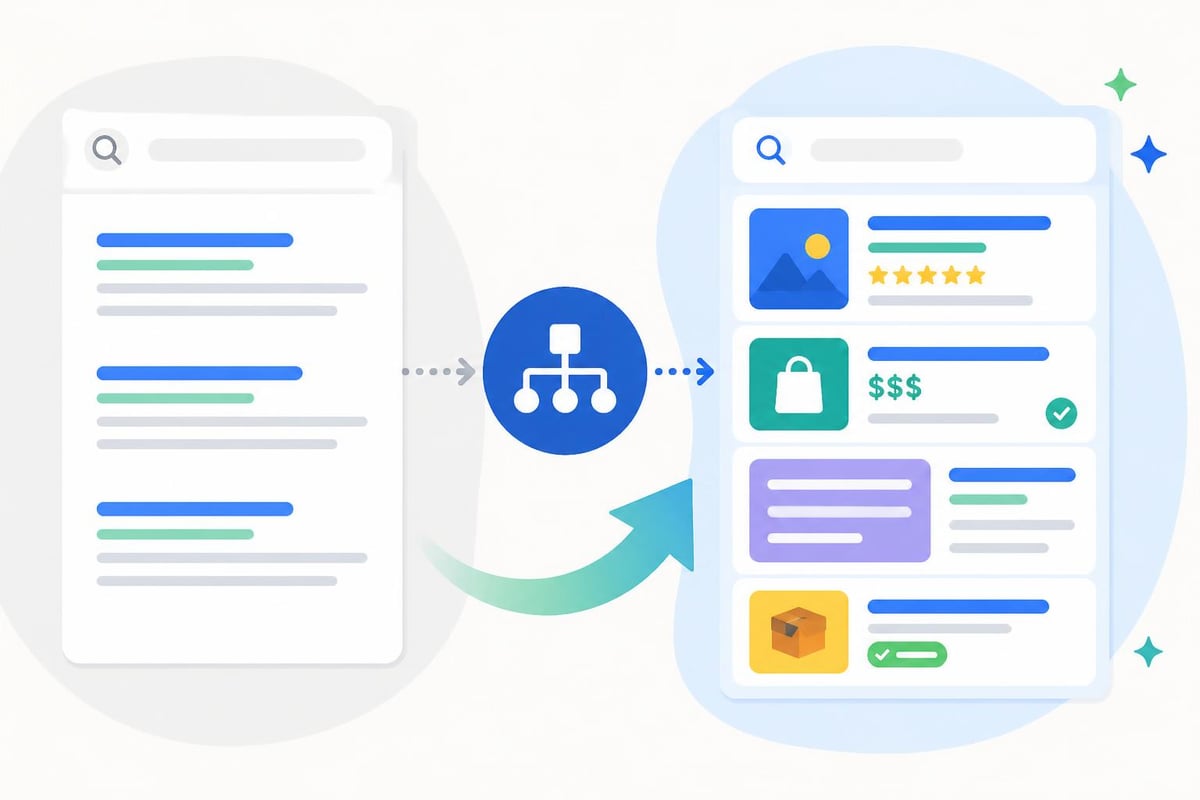
Structured data represents the bridge between human-readable design and machine understanding. Schema markup provides explicit context about your content, enabling rich results and enhanced search visibility.
Implementation Priorities
Different schema types offer varying levels of impact based on your business model and content types:
- Organization schema establishes brand identity and knowledge graph presence
- Local business schema powers map results and local pack rankings
- Product schema enables rich snippets with pricing and availability
- Article schema qualifies content for featured snippets and news results
- FAQ schema expands search real estate with expandable answers
Implementing appropriate schema requires understanding both your content goals and user search intent. The markup should accurately represent page content while targeting result features that drive qualified traffic.
Conversion-Focused Design Elements
The ultimate measure of web design and SEO success isn't rankings alone-it's the business results those rankings generate. Design elements must balance search optimization with conversion effectiveness.
Call-to-Action Optimization
Strategically placed CTAs guide users toward desired actions while maintaining natural content flow. Effective CTA design considers:
- Visual prominence through contrasting colors and strategic positioning
- Action-oriented language that clearly communicates next steps
- Size and spacing appropriate for touch interaction
- Loading speed ensuring CTAs appear quickly on all devices
These elements should enhance rather than interrupt the user journey, appearing at logical decision points rather than overwhelming visitors with constant promotion.
Trust Signals and Credibility Markers
Search algorithms increasingly evaluate expertise, authoritativeness, and trustworthiness through both content signals and design elements. Visual trust indicators include:
- Professional design quality demonstrating business legitimacy
- Security badges and encryption indicators
- Client testimonials and case study showcases
- Author credentials and expert bios
- Industry certifications and partnerships
These elements reassure both users and algorithms that your site represents a credible source worthy of high rankings. When working with a web design consultancy, ensuring these trust elements are strategically incorporated strengthens overall site authority.
Emerging Considerations: AI Search Optimization
The search landscape continues evolving beyond traditional Google rankings. AI-powered search engines and generative search features require expanded optimization approaches that extend conventional web design and SEO practices.
Optimizing for AI Overviews and Chat Interfaces
AI search platforms extract and synthesize information differently than traditional search engines. Design and content strategies must adapt to ensure visibility in these emerging channels:
- Clearly structured information that AI can easily extract and cite
- Comprehensive topic coverage demonstrating depth and authority
- Natural language content that answers questions directly
- Entity-based optimization establishing clear subject relationships
For Italian developers and agencies seeking to expand their service offerings, platforms like FreelanceDEV can connect specialists who understand these evolving requirements with businesses seeking advanced optimization strategies.
Understanding how to rank on AI search platforms requires thinking beyond keywords toward semantic understanding and information architecture that serves both human readers and AI interpretation.
Measuring Success and Continuous Improvement
Effective web design and SEO requires ongoing measurement and refinement. The metrics you track should reflect both search performance and business outcomes.
Essential Performance Indicators
| Metric Category | Key Measurements | Business Impact |
|---|---|---|
| Search visibility | Rankings, impressions, click-through rate | Traffic potential |
| User engagement | Time on page, pages per session, bounce rate | Content effectiveness |
| Technical health | Core Web Vitals, crawl errors, indexation rate | Search accessibility |
| Conversions | Goal completions, form submissions, purchases | Revenue generation |
Regular monitoring of these indicators reveals optimization opportunities and validates design decisions. When metrics decline, they provide early warning signals that enable proactive adjustments before significant ranking losses occur.
Testing and Iteration Framework
Continuous improvement stems from systematic testing of design variations and optimization approaches:
- Establish baseline metrics before implementing changes
- Isolate variables testing one element at a time when possible
- Allow sufficient time for search engines to crawl and evaluate changes
- Document results creating institutional knowledge about effective approaches
- Scale successful tests applying validated improvements site-wide
This methodical approach prevents reactive decision-making while building data-driven insights about what works for your specific audience and industry context.
Integration Strategies for Development Teams
Successful web design and SEO integration requires organizational alignment and workflow coordination. Teams must establish processes that incorporate both disciplines from project inception through ongoing maintenance.
Collaborative Planning Approaches
Early collaboration prevents costly revisions and ensures cohesive implementation:
- Include SEO specialists in wireframing and design review sessions
- Conduct technical SEO audits before development begins
- Establish performance budgets that design must respect
- Create content templates that balance aesthetics with optimization
- Define quality standards covering both visual and technical requirements
When exploring options for website design and SEO services, agencies like Creotivity that integrate these disciplines from the start deliver more cohesive results than those treating them as separate sequential projects.
Tool Selection and Workflow Integration
The right tools streamline collaboration and ensure both design and SEO objectives receive continuous attention. Powerful SEO tools built into modern platforms enable real-time optimization feedback during the design process.
Essential capabilities include:
- Real-time performance monitoring during development
- Automated technical SEO scanning identifying issues early
- Content optimization suggestions integrated into editing workflows
- Competitive analysis informing design and content decisions
- Rank tracking validating optimization effectiveness
Selecting platforms and tools that support integrated workflows prevents optimization from becoming an afterthought bolted onto completed designs.
Platform-Specific Considerations
Different content management systems and website platforms offer varying levels of design flexibility and SEO capability. Understanding these distinctions helps inform technology choices aligned with your long-term objectives.
Evaluating Platform SEO Capabilities
When comparing platforms, assess both out-of-box capabilities and customization flexibility:
- URL structure control and permalink customization
- Meta data management interfaces and bulk editing
- Image optimization automation and compression
- Mobile responsiveness across template options
- Schema markup support and implementation ease
- Page speed optimization features and CDN integration
Some platforms prioritize design flexibility at the expense of technical optimization, while others offer strong SEO foundations but limited creative control. The ideal solution balances both requirements without forcing compromise in either area.
Understanding the best SEO tools available in 2026 helps inform platform selection, as integration capabilities with leading optimization software often determines long-term workflow efficiency.
Security and SEO Intersection
Website security has emerged as both a user trust factor and a direct ranking signal. Google explicitly favors HTTPS-secured sites while browsers display security warnings for unencrypted connections.
Essential Security Implementations
Beyond basic SSL certificates, comprehensive security affects both rankings and conversion performance:
- HTTPS implementation across all pages and resources
- Security header configuration preventing common vulnerabilities
- Regular software updates maintaining platform and plugin security
- Backup systems enabling quick recovery from security incidents
- Access control limiting administrative privileges appropriately
These measures protect both your search rankings and your business reputation. Security breaches can result in search penalties, blacklisting, and catastrophic traffic losses that take months to recover from.
The convergence of web design and SEO represents the modern standard for digital presence, where aesthetic appeal and search visibility must coexist harmoniously. By understanding how design decisions impact rankings and user behavior, businesses create websites that attract qualified traffic while converting visitors into customers. Creotivity specializes in building websites that excel across both dimensions, combining modern design with technical optimization for visibility in Google, AI search platforms, and emerging discovery channels. If you're ready to create a website that performs as beautifully as it looks, explore how our integrated approach delivers measurable results.