
Web Design Consultancy: Expert Guide for 2026
Businesses today face unprecedented challenges in establishing their digital presence. The web design consultancy model has evolved beyond simple aesthetic decisions to become a strategic partnership that combines technical expertise, market research, and performance optimization. As organizations seek to differentiate themselves in crowded markets, working with specialized consultants offers access to deep expertise, objective perspective, and proven methodologies that internal teams often lack. Whether launching a new venture or reimagining an established brand, understanding the value proposition and working model of web design consultancy becomes essential for making informed decisions.
What Defines Modern Web Design Consultancy
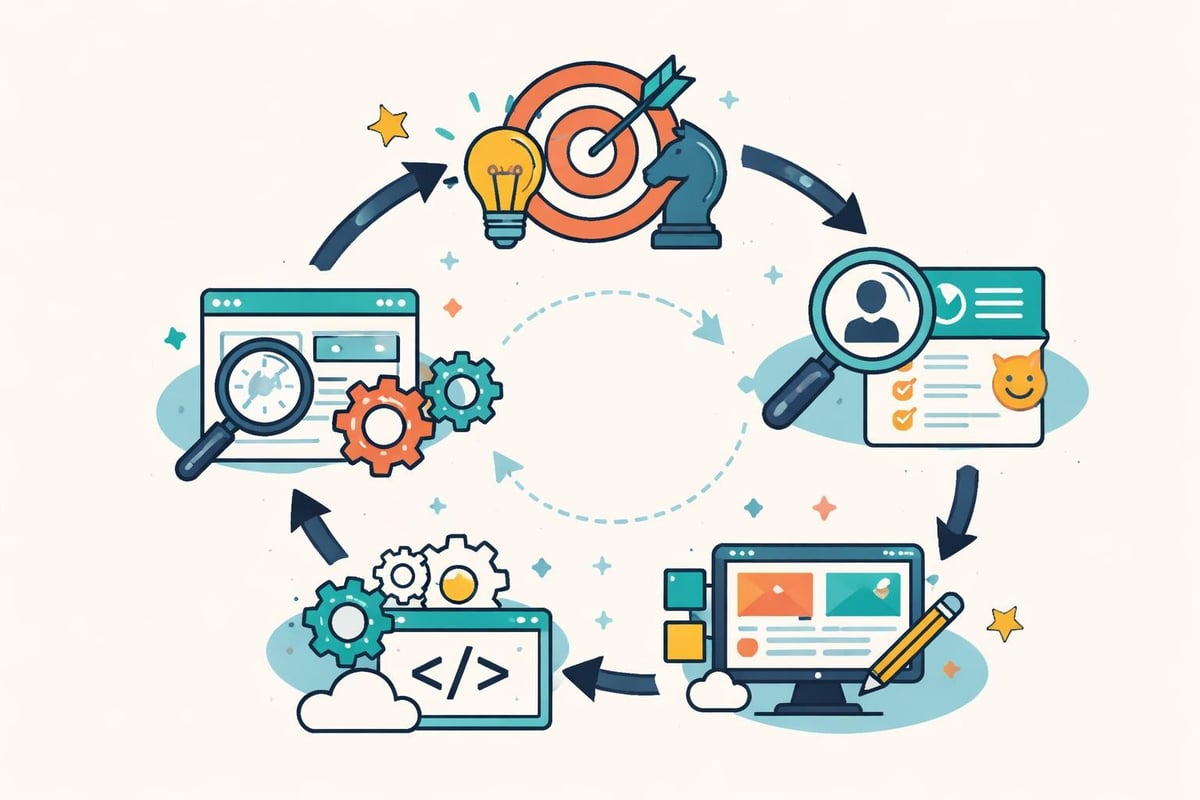
A web design consultancy operates as a specialized advisory service that guides businesses through the complete lifecycle of website development, from initial strategy to post-launch optimization. Unlike traditional agencies that simply execute predetermined requirements, consultants function as strategic partners who challenge assumptions, identify opportunities, and align digital initiatives with broader business objectives.
The consultancy approach emphasizes collaboration and knowledge transfer. Consultants invest significant time understanding client industries, competitive landscapes, and target audiences before proposing solutions. This research-driven methodology ensures recommendations reflect actual market conditions rather than generic best practices.
Core Service Components
Modern consultancies typically structure their offerings across several interconnected domains:
- Strategic planning and digital roadmapping
- User research and experience architecture
- Visual design and brand integration
- Technical implementation and platform selection
- Performance optimization and conversion rate improvement
- Ongoing analytics and continuous improvement
Each component builds upon the others, creating comprehensive solutions that address both immediate needs and long-term growth objectives. The best consultancies maintain flexibility, adapting their approach based on client maturity, resources, and specific challenges.
Strategic Value Beyond Design Execution
The primary distinction between web design consultancy and traditional design services lies in strategic depth. Consultants begin by questioning fundamental assumptions about digital presence, asking whether current approaches actually serve business goals or simply perpetuate outdated patterns.
This interrogation process often reveals misalignments between what businesses think they need and what would actually drive results. A consultant might discover that a company seeking a website redesign actually needs to restructure its service offerings or reposition its brand entirely. Such insights emerge from combining industry expertise with objective analysis.
Business Impact Assessment
Professional consultants measure success through business metrics rather than design awards. They establish clear key performance indicators during the planning phase, ensuring all design decisions tie directly to measurable outcomes. Common metrics include:
| Metric Category | Examples | Business Impact |
|---|---|---|
| Acquisition | Traffic growth, lead generation, cost per acquisition | Revenue pipeline |
| Engagement | Time on site, pages per session, bounce rate | Audience quality |
| Conversion | Form completions, purchase rates, qualified leads | Direct revenue |
| Retention | Return visitor rate, subscription renewals | Customer lifetime value |
This data-driven approach transforms subjective design discussions into objective business conversations. When consultants recommend specific design patterns or technical architectures, they articulate the expected impact on these core metrics, making investment decisions more straightforward.
Selecting the Right Consultancy Partner
Choosing a web design consultancy requires evaluating capabilities across multiple dimensions. The most visually impressive portfolio may not indicate the strongest strategic thinking or technical implementation skills. Businesses should develop comprehensive evaluation criteria that reflect their specific priorities.
Start by examining case studies that demonstrate problem-solving methodology rather than just final deliverables. The best consultancies openly share their thinking process, explaining how they identified core challenges, developed hypotheses, and validated solutions. Resources like portfolio examples from Creative Bloq showcase how leading designers present their work effectively.
Essential Evaluation Criteria
When assessing potential partners, consider these critical factors:
- Industry-specific experience in your sector or adjacent markets
- Technical capabilities across relevant platforms and technologies
- Strategic methodology including research approaches and validation processes
- Team composition with appropriate expertise in design, development, and strategy
- Communication style that aligns with your organizational culture
- Measurement frameworks for tracking progress and demonstrating value
Request detailed proposals that outline not just what the consultancy will deliver, but how they'll approach discovery, collaboration, and decision-making throughout the engagement. The proposal quality often predicts the partnership quality.
The Discovery and Strategy Phase
Every effective web design consultancy engagement begins with comprehensive discovery. This foundational phase establishes shared understanding between consultant and client, surfacing critical information that shapes all subsequent work.
Discovery typically spans two to four weeks, depending on organizational complexity and project scope. Consultants conduct stakeholder interviews, analyze existing analytics data, review competitor approaches, and assess current technical infrastructure. This research generates insights that would remain hidden without dedicated investigation.
Research Methodologies
Professional consultants employ various research techniques to build complete understanding:
- Stakeholder interviews capturing internal perspectives and priorities
- User testing sessions revealing actual behavior patterns
- Analytics audits identifying traffic sources and conversion bottlenecks
- Competitive analysis benchmarking industry standards and opportunities
- Technical assessments evaluating current infrastructure capabilities
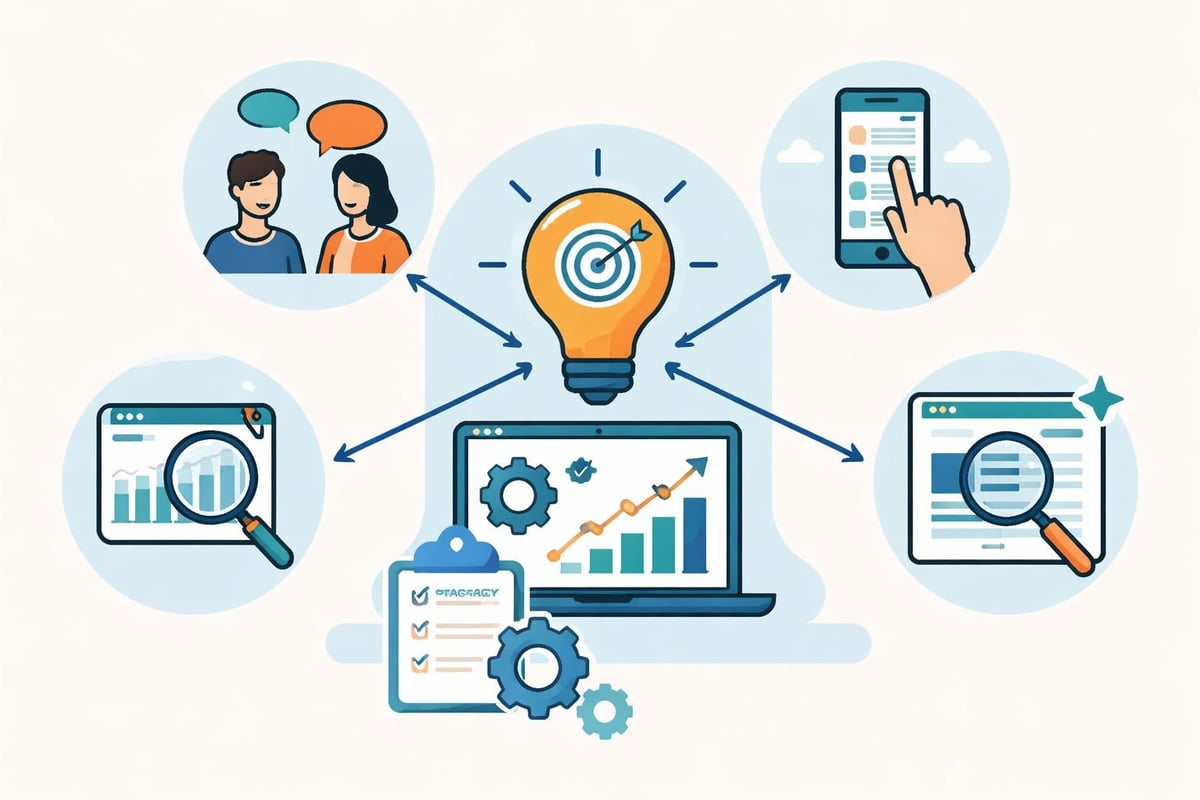
These activities culminate in strategy documents that articulate core challenges, define success metrics, and propose specific solutions. The best strategy documents avoid jargon, presenting complex concepts in accessible language that facilitates organizational alignment. Resources like web design best practices from ALF Design Group provide frameworks for structuring these strategic recommendations.
Design Systems and Implementation
Following strategic alignment, consultancies develop comprehensive design systems that ensure consistency across all touchpoints. Unlike ad hoc design approaches, systems thinking creates reusable components and clear guidelines that scale effectively as businesses grow.
A robust design system includes visual language definitions, component libraries, interaction patterns, and implementation guidelines. These assets enable faster execution while maintaining quality standards. When organizations later need to add new pages or features, the system provides clear direction without requiring consultant involvement for every decision.
Component Architecture
Modern design systems organize elements hierarchically:
| Level | Components | Purpose |
|---|---|---|
| Foundation | Colors, typography, spacing, grid systems | Visual consistency |
| Elements | Buttons, form fields, icons, images | Reusable building blocks |
| Patterns | Navigation, cards, forms, modals | Common interface solutions |
| Templates | Page layouts, content structures | Complete page frameworks |
This structured approach accelerates development while reducing inconsistencies. Developers can build new features by combining existing components rather than creating unique solutions for every requirement.
Working with a web design agency that understands system-based approaches ensures long-term scalability. Initial investments in comprehensive systems pay dividends through reduced maintenance costs and faster iteration cycles.
Technical Architecture and Performance
Strategic web design consultancy extends beyond visual aesthetics to encompass technical architecture decisions that determine long-term success. Consultants evaluate platforms, hosting environments, content management systems, and integration requirements to recommend solutions that balance current needs with future flexibility.
Performance optimization represents a critical technical concern. Modern users expect websites to load in under three seconds, and search engines increasingly prioritize speed in ranking algorithms. Consultants implement technical strategies including image optimization, code minification, caching strategies, and content delivery network integration.
Platform Selection Criteria
Choosing the right technical foundation requires evaluating multiple factors:
- Scalability to accommodate growth in traffic and content volume
- Customization flexibility for unique features and integrations
- Security standards protecting user data and business information
- Maintenance requirements balancing capability with operational overhead
- Cost structure including licensing, hosting, and development expenses
Experienced consultants have worked across numerous platforms and can provide objective assessments rather than defaulting to familiar tools. This platform-agnostic perspective ensures recommendations truly serve client needs rather than consultant preferences.
The implementation strategies outlined by Contentsquare emphasize user-centric design principles that improve both performance and engagement metrics.
User Experience and Conversion Optimization
A web design consultancy's ultimate value lies in creating experiences that convert visitors into customers. This requires understanding user psychology, behavior patterns, and decision-making processes. Consultants apply frameworks like Jobs to Be Done theory and behavioral economics principles to design interfaces that guide users toward desired actions.
Conversion optimization begins during the strategy phase by identifying specific user journeys and potential friction points. Consultants map complete experiences from initial awareness through post-purchase engagement, identifying opportunities to reduce barriers and strengthen motivation at each stage.
Evidence-Based Design Decisions
Professional consultants rely on data and testing rather than assumptions:
- Baseline measurement establishing current performance across key metrics
- Hypothesis development proposing specific improvements with predicted impacts
- A/B testing implementation comparing variations to validate hypotheses
- Statistical analysis determining significant results versus random variation
- Iterative refinement applying learnings to subsequent optimization cycles
This scientific approach eliminates guesswork from design decisions. When consultants recommend specific layouts, content structures, or interaction patterns, they can reference empirical evidence demonstrating effectiveness.
WebFX's guide to consultant web design highlights essential elements that drive conversions, including strategic calls-to-action and trust-building components.
Content Strategy and Information Architecture
Visual design and technical implementation mean little without compelling content strategically organized to serve user needs. Web design consultancy encompasses content strategy development, ensuring messaging resonates with target audiences while supporting search visibility and conversion goals.
Information architecture determines how content is organized, categorized, and accessed. Consultants conduct card sorting exercises and tree testing to validate proposed structures against actual user mental models. This research prevents internal organizational hierarchies from dictating site structure in ways that confuse external users.

Strategic Content Planning
Effective content strategies address multiple objectives simultaneously:
- Audience relevance speaking directly to user needs and concerns
- Search optimization incorporating keywords naturally while maintaining readability
- Conversion support guiding users toward specific actions through persuasive copy
- Brand consistency maintaining distinctive voice across all touchpoints
- Scalability establishing templates and guidelines for ongoing content creation
For businesses seeking to improve their visibility across traditional search engines and emerging AI platforms, understanding how to rank on AI becomes increasingly important. Consultants help organizations adapt content strategies for this evolving landscape.
Integration with Marketing Ecosystems
Modern websites rarely function as isolated entities. They integrate with customer relationship management systems, marketing automation platforms, analytics tools, advertising networks, and numerous other technologies. A comprehensive web design consultancy approach accounts for these connections, ensuring seamless data flow and coordinated user experiences.
Integration planning begins during discovery when consultants inventory existing marketing technology and identify integration requirements. These technical connections enable sophisticated marketing capabilities like personalization, behavioral tracking, and multi-channel attribution.
Common Integration Patterns
Businesses typically require connections across several categories:
| Integration Type | Examples | Business Value |
|---|---|---|
| CRM Systems | Salesforce, HubSpot, Pipedrive | Lead management and sales enablement |
| Marketing Automation | Marketo, Pardot, ActiveCampaign | Nurture campaigns and segmentation |
| Analytics | Google Analytics, Mixpanel, Heap | User behavior insights |
| Advertising | Google Ads, Meta, LinkedIn | Campaign performance tracking |
| E-commerce | Shopify, WooCommerce, BigCommerce | Transaction processing |
Strategic consultants ensure these integrations support business processes rather than creating technical complexity for its own sake. Each connection should enable specific capabilities that directly support business objectives.
For organizations operating in B2B markets with long sales cycles, agencies like De Mannen van Delft demonstrate how integrated marketing approaches build trust and maintain visibility throughout extended buyer journeys.
Accessibility and Inclusive Design
Professional web design consultancy prioritizes accessibility, ensuring websites function effectively for users with diverse abilities. This commitment reflects both ethical responsibility and practical business sense, as accessible sites reach broader audiences and often rank better in search results.
Accessibility encompasses visual design considerations, technical implementation standards, and content strategy decisions. Consultants implement Web Content Accessibility Guidelines (WCAG) 2.1 standards at minimum, often exceeding baseline requirements to provide exceptional experiences for all users.
Implementation Requirements
Creating accessible websites requires attention across multiple dimensions:
- Color contrast ratios ensuring text remains readable for users with vision impairments
- Keyboard navigation enabling complete site functionality without mouse input
- Screen reader compatibility providing appropriate semantic HTML and ARIA labels
- Alternative text describing images for users who cannot see visual content
- Form accessibility including clear labels, error messages, and logical tab order
These considerations integrate throughout the design process rather than being retrofitted after launch. Consultants educate clients about accessibility benefits, building organizational commitment to inclusive design principles.
Measuring Success and Continuous Improvement
A defining characteristic of effective web design consultancy is commitment to measurement and iteration. Rather than treating launch as project completion, consultants view it as the beginning of an optimization journey guided by real user data.
Post-launch measurement frameworks track the metrics established during strategy development. Consultants analyze this data to identify what's working well and where opportunities exist for improvement. This analytical approach transforms subjective opinions into objective insights.
Optimization Methodologies
Structured improvement processes typically follow these patterns:
- Data collection across multiple sources including analytics, heat mapping, and user feedback
- Insight synthesis identifying patterns and opportunities in the collected data
- Prioritization ranking potential improvements by expected impact and implementation effort
- Hypothesis formation predicting specific outcomes from proposed changes
- Testing execution implementing controlled experiments to validate hypotheses
- Result analysis determining statistical significance and business impact
- Implementation rolling out validated improvements to all users
This cycle repeats continuously, each iteration building on previous learnings. Businesses working with consultants who emphasize this approach see compounding improvements over time as small optimizations accumulate into substantial performance gains.
Agencies like Get To Page One Ltd combine web design expertise with ongoing optimization services, ensuring websites continue improving long after initial launch.
Collaborative Working Models
Successful web design consultancy engagements depend on effective collaboration between consultants and client teams. The best partnerships balance consultant expertise with client knowledge, creating solutions that leverage both perspectives.
Different consultancies structure collaboration in various ways. Some prefer highly autonomous approaches where consultants work independently and present completed solutions. Others emphasize co-creation, involving client teams in workshops and working sessions throughout the process. Neither approach is inherently superior; the right model depends on organizational culture, available resources, and project complexity.
Communication Frameworks
Clear communication protocols prevent misunderstandings and keep projects moving efficiently:
- Regular status meetings maintaining alignment and addressing emerging issues
- Shared project documentation ensuring single source of truth for decisions and deliverables
- Feedback protocols defining how input is collected, evaluated, and incorporated
- Decision authorities clarifying who has final approval on different project aspects
- Escalation paths establishing processes for resolving disagreements or obstacles
These frameworks should be documented during project kickoff and referenced throughout the engagement. When everyone understands communication expectations, projects progress more smoothly and relationships remain positive even when challenges arise.
Resources focused on web design strategy help organizations prepare for consultancy engagements by establishing clear objectives and communication preferences upfront.
Investment Considerations and ROI
Web design consultancy represents a significant investment, and businesses rightfully scrutinize expected returns. Professional consultants welcome these discussions, helping clients understand how to evaluate proposals and calculate potential returns.
Pricing models vary across the industry. Some consultancies charge hourly rates, others propose fixed project fees, and some structure engagements as monthly retainers. Each approach has advantages depending on project characteristics and client preferences.
Cost Components
Understanding what drives consultancy pricing helps businesses make informed decisions:
| Cost Factor | Impact | Considerations |
|---|---|---|
| Research depth | Higher for complex industries | Ensures recommendations reflect market reality |
| Team expertise | Senior consultants command premium rates | Experience accelerates results and reduces risk |
| Project scope | Comprehensive solutions cost more | Complete approaches often deliver better ROI |
| Timeline | Compressed schedules may increase costs | Realistic timelines produce better outcomes |
| Ongoing support | Retainer models spread costs over time | Continuous improvement compounds value |
The most expensive consultant is not necessarily the best choice, nor is the cheapest option likely to deliver optimal results. Focus on value rather than price, evaluating which partnership will most effectively achieve your business objectives.
When evaluating options, consider specialized capabilities like website design services that combine aesthetic excellence with technical performance and search visibility.
Industry-Specific Applications
While core web design consultancy principles apply across sectors, effective consultants adapt their approaches to reflect industry-specific requirements and conventions. Healthcare organizations face regulatory compliance considerations that e-commerce businesses don't encounter. B2B professional services require different content strategies than consumer products.
Experienced consultants bring industry knowledge that accelerates project timelines and improves solution quality. They understand sector-specific user expectations, competitive dynamics, and technical requirements, applying this context to recommendations and design decisions.
Sector Considerations
Different industries prioritize various aspects of web presence:
- Healthcare: HIPAA compliance, accessibility, patient education, appointment scheduling
- Financial services: Security, regulatory disclosures, trust signals, complex product explanations
- E-commerce: Product discovery, checkout optimization, inventory integration, shipping transparency
- Professional services: Thought leadership, case studies, expertise demonstration, lead qualification
- Manufacturing: Technical specifications, dealer locators, distributor portals, industry certifications
Consultants with relevant experience recognize these priorities instinctively, avoiding generic solutions that miss critical sector requirements. When evaluating potential partners, ask about specific industry experience and request case studies from similar organizations.
Future-Proofing Digital Presence
Technology evolution creates both opportunities and challenges for digital presence. A forward-thinking web design consultancy helps businesses build websites that remain effective as platforms, user expectations, and search algorithms change.
Future-proofing begins with technical architecture decisions that prioritize flexibility and modularity. Rather than creating monolithic custom code, consultants implement component-based systems that facilitate updates and additions. This approach reduces the cost and complexity of future enhancements.
Emerging Considerations
Consultants help businesses prepare for evolving digital landscapes:
- AI-powered search requiring new optimization strategies beyond traditional SEO
- Voice interfaces changing how users discover and interact with content
- Privacy regulations demanding transparent data practices and user controls
- Mobile-first indexing prioritizing smartphone experiences over desktop
- Progressive web apps blending website and native app capabilities
Organizations seeking visibility in emerging search paradigms should explore AIO (AI Optimization) strategies that optimize for generative search platforms like ChatGPT, Claude, and Perplexing alongside traditional Google rankings.
The most valuable consultants educate clients about these trends, helping them make strategic decisions that position digital properties for long-term success rather than optimizing only for current conditions.
Strategic web design consultancy transforms websites from simple marketing assets into powerful business tools that drive measurable growth. By combining research-driven strategy, user-centered design, technical excellence, and continuous optimization, the right consultancy partner helps businesses achieve their digital objectives while building internal capabilities. Creotivity specializes in creating websites optimized for both traditional search engines and emerging AI platforms, ensuring your digital presence remains effective as technology evolves. Ready to transform your website into a strategic business asset?