
Website Design and SEO: Building for Visibility
Modern businesses face a critical challenge: creating websites that not only look stunning but also rank highly in search results. The relationship between website design and seo has evolved dramatically over the past few years, with search engines now evaluating hundreds of factors that span both visual presentation and technical performance. A beautifully designed website that fails to consider search optimization will struggle to attract organic traffic, while an SEO-focused site with poor design will fail to convert visitors into customers. Understanding how these two disciplines intersect has become essential for any business seeking sustainable online growth in 2026.
The Fundamental Connection Between Design and Search Performance
Website design and seo are not separate disciplines but interconnected elements of a successful digital presence. Search engines like Google evaluate websites through sophisticated algorithms that analyze user experience signals, technical architecture, content accessibility, and performance metrics. Every design decision, from navigation structure to image optimization, directly impacts how search engines crawl, index, and rank your pages.
The modern approach requires designers and SEO specialists to collaborate from the initial planning stages. When design teams prioritize aesthetics without considering search visibility, they often create barriers that prevent search engines from understanding page content. Conversely, focusing solely on technical SEO without attention to user experience results in high bounce rates and poor engagement metrics that ultimately harm rankings.
Core principles that unite website design and seo include:
- Mobile-first responsive design that adapts seamlessly across devices
- Intuitive navigation structures that help both users and search crawlers
- Fast loading speeds through optimized code and compressed assets
- Clear visual hierarchy that guides users toward important content
- Accessible design that serves all users regardless of abilities
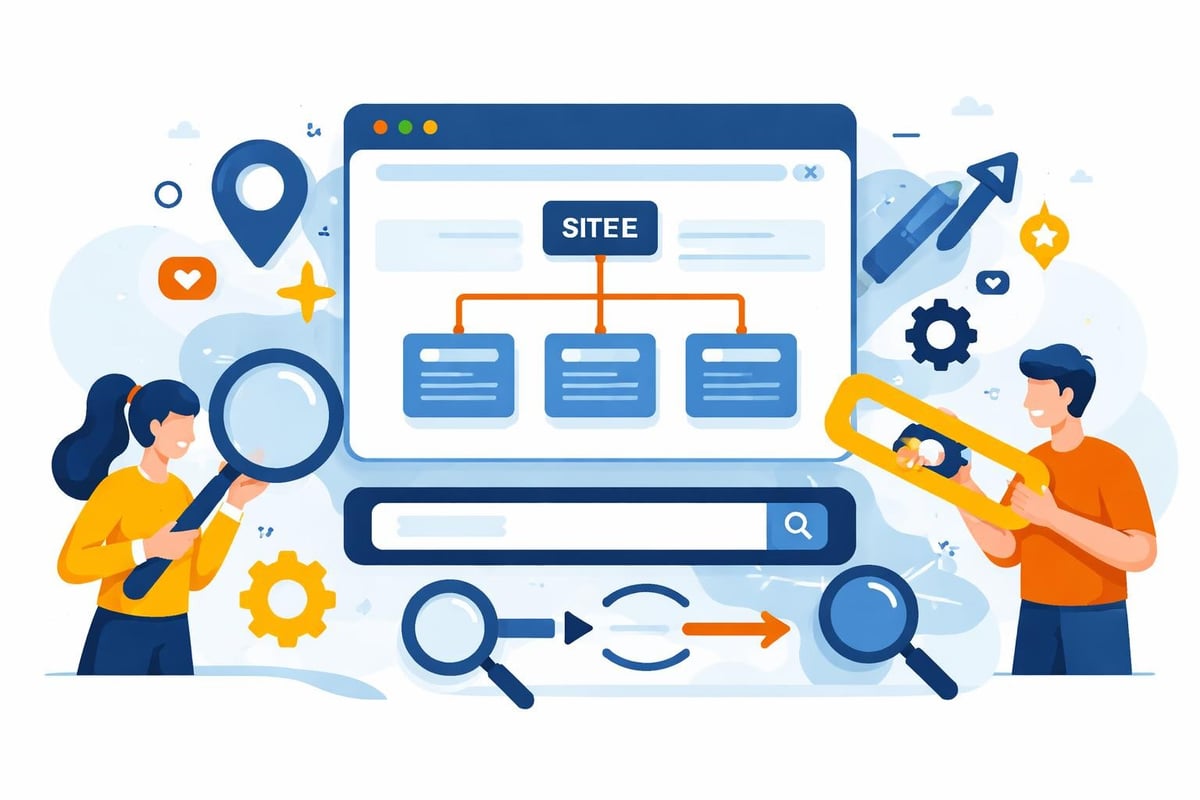
Search engines have become remarkably sophisticated at evaluating user experience. Core Web Vitals, introduced as ranking factors in recent years, measure loading performance, interactivity, and visual stability. These metrics force designers to consider performance implications of every visual element they implement. A stunning animation that delays page interactivity by three seconds will hurt both user experience and search rankings.
Mobile Responsiveness as a Design and Ranking Imperative
Mobile devices now account for the majority of web traffic across most industries. Google's mobile-first indexing means the search engine primarily uses the mobile version of your site for ranking and indexing. This fundamental shift has transformed how we approach website design and seo, making mobile optimization non-negotiable for businesses seeking visibility.
Technical Requirements for Mobile SEO Success
Responsive design frameworks ensure your website adapts fluidly to different screen sizes without requiring separate mobile and desktop versions. This approach simplifies maintenance while providing consistent user experiences across devices. However, responsive design alone doesn't guarantee mobile SEO success.
Touch-friendly navigation elements, appropriately sized tap targets, and readable text without zooming are essential mobile SEO best practices that directly impact both usability and rankings. Buttons should be at least 48x48 pixels, with adequate spacing to prevent accidental taps. Text should be legible at default zoom levels, typically requiring a minimum 16px font size for body content.
Page speed becomes even more critical on mobile devices, where users often browse on slower cellular connections. Implementing accelerated mobile pages (AMP) or optimizing existing pages through code minification, image compression, and efficient resource loading can dramatically improve mobile performance metrics.
| Mobile Design Element | SEO Impact | User Experience Impact |
|---|---|---|
| Responsive layout | Prevents duplicate content issues | Consistent experience across devices |
| Touch-optimized buttons | Reduces bounce rate signals | Increases conversion rates |
| Compressed images | Improves Core Web Vitals scores | Faster loading, less data usage |
| Simplified navigation | Easier crawling and indexing | Reduced friction to key pages |
Site Architecture and Information Hierarchy
The way you structure website content profoundly affects both user navigation and search engine understanding. Logical site architecture creates clear pathways for visitors to find information while establishing topical authority signals that search engines value. When planning your web design, consider how category structures, internal linking patterns, and URL hierarchies communicate relationships between pages.
Flat architecture, where most pages are accessible within three clicks from the homepage, generally performs better than deeply nested structures. This approach distributes link equity more effectively and ensures search crawlers can easily discover all your content. However, very large sites may require deeper hierarchies to maintain logical organization.
Internal Linking Strategies
Strategic internal linking serves dual purposes in website design and seo. From a design perspective, contextual links guide users toward related content, increasing engagement and time on site. For SEO, internal links distribute ranking power throughout your site and help search engines understand content relationships and topical relevance.
Implementing breadcrumb navigation provides users with location context while creating additional internal linking opportunities. Breadcrumbs should use structured data markup to help search engines understand your site hierarchy and potentially display enhanced search results.
Effective internal linking practices include:
- Using descriptive anchor text that indicates destination content
- Linking from high-authority pages to newer or deeper content
- Creating hub pages that organize related content around specific topics
- Avoiding excessive links that dilute link equity
- Regularly auditing for broken links that harm user experience
The navigation menu represents prime internal linking real estate. Main navigation should highlight your most important pages and service categories, balancing user needs with business priorities. Many sites benefit from mega menus that display subcategories and popular pages, though these require careful implementation to avoid overwhelming users or creating crawling issues.
Visual Design Elements That Impact SEO Performance
Every visual component on your website, from images to typography, carries SEO implications. High-quality imagery enhances user engagement and builds trust, but improperly optimized images can devastate page speed and mobile performance. Finding the balance between visual appeal and technical optimization defines successful website design and seo integration.
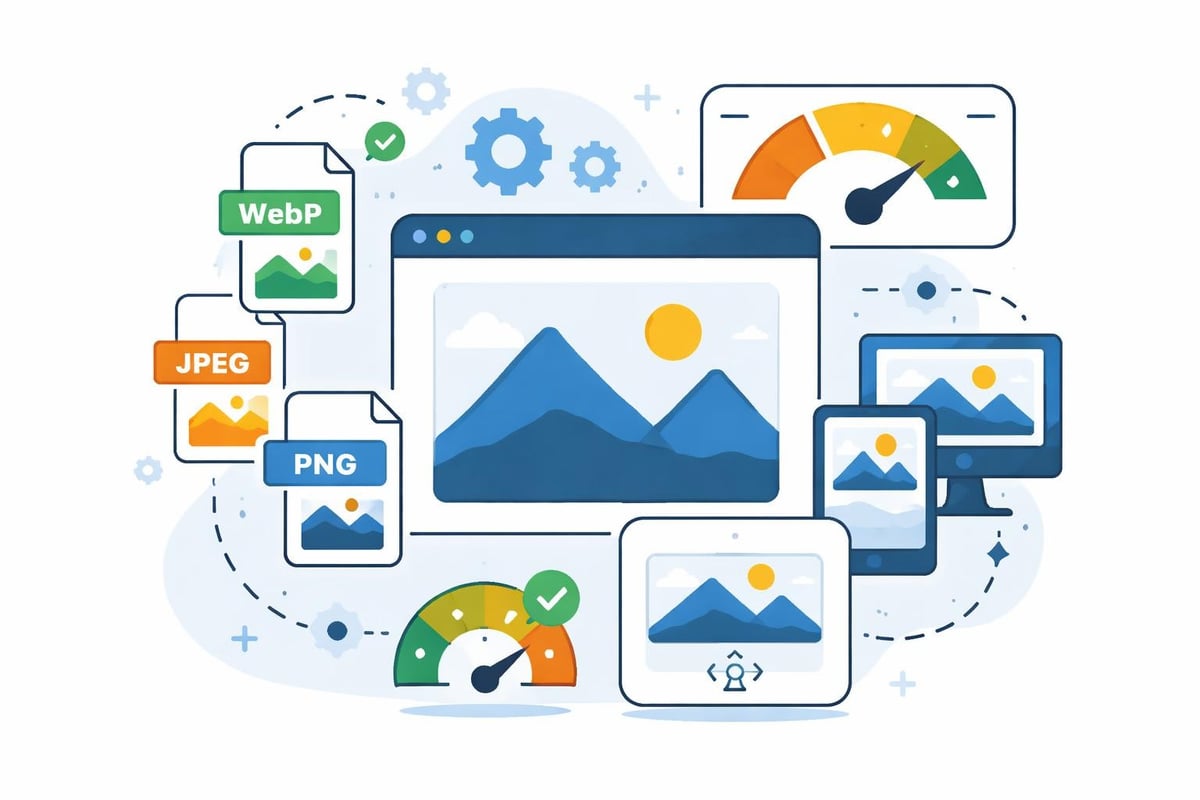
Modern image formats like WebP offer superior compression compared to traditional JPEG and PNG files, often reducing file sizes by 25-35% without visible quality loss. Implementing responsive images through srcset attributes ensures browsers load appropriately sized versions based on device capabilities, preventing mobile users from downloading massive desktop images.
Typography and Readability Considerations
Font choices affect both aesthetic appeal and technical performance. Web fonts from services like Google Fonts add external HTTP requests that can slow page loading. Using system fonts eliminates these requests entirely, though at the cost of reduced design flexibility. When custom fonts are essential to brand identity, limit the number of font families and weights, and implement font-display: swap to prevent invisible text during loading.
Typography directly impacts readability, which search engines increasingly evaluate through user engagement metrics. Adequate line height (typically 1.5 to 1.8 for body text), appropriate line length (50-75 characters per line), and sufficient color contrast between text and background all contribute to positive user experiences that support SEO goals.
Headers tagged with proper HTML hierarchy (H1, H2, H3, etc.) serve critical SEO functions by signaling content structure to search engines. Design teams must resist the temptation to select header tags based solely on visual appearance. The H1 tag should reflect the primary page topic, while H2 and H3 tags break content into logical sections that both users and search engines can easily scan.
Page Speed Optimization Through Design Efficiency
Core Web Vitals have elevated page speed from a minor ranking factor to a critical component of website design and seo strategy. The three Core Web Vitals metrics-Largest Contentful Paint (LCP), First Input Delay (FID), and Cumulative Layout Shift (CLS)-measure real-world user experience in ways that directly correlate with conversion rates and engagement.
Achieving excellent Core Web Vitals scores requires collaboration between designers and developers from project inception. Design decisions that seem minor can have outsized performance impacts. For example, choosing to implement a full-page background video might create stunning visual impact but can delay LCP by several seconds, harming both user experience and rankings.
Design practices that support page speed include:
- Minimizing use of custom fonts and limiting font weights
- Optimizing and lazy-loading images below the fold
- Avoiding layout shifts by reserving space for dynamic content
- Implementing efficient CSS without excessive specificity
- Reducing JavaScript dependencies and deferring non-critical scripts
Modern website builders and frameworks often include performance optimization features, though these vary significantly in effectiveness. Understanding which tools provide genuine SEO benefits helps teams select platforms that support rather than hinder optimization efforts.
Content Presentation and On-Page SEO
How you present content through design directly affects its SEO value. Search engines have become adept at evaluating content quality, relevance, and comprehensiveness. Design elements that enhance content consumption-such as strategic white space, scannable formatting, and visual breaks-contribute to positive engagement signals that influence rankings.
| Content Design Element | SEO Benefit | Implementation Best Practice |
|---|---|---|
| Scannable paragraphs | Lower bounce rates | Keep paragraphs to 3-4 sentences maximum |
| Bullet lists | Featured snippet opportunities | Use for tips, features, benefits |
| Subheadings | Keyword targeting, easier indexing | Include relevant keywords naturally |
| Visual breaks | Increased time on page | Add images every 300-400 words |
| Tables | Enhanced SERP features | Use for comparisons, data presentation |
Featured snippets, which appear at position zero in search results, often pull content from well-formatted lists, tables, or concise paragraph answers. Designing content with these formats in mind increases the likelihood of capturing these high-visibility placements.
Schema markup, while primarily a technical implementation, requires design consideration for elements like breadcrumbs, review stars, and FAQ sections. These structured data enhancements can dramatically increase click-through rates from search results by providing richer previews of your content.
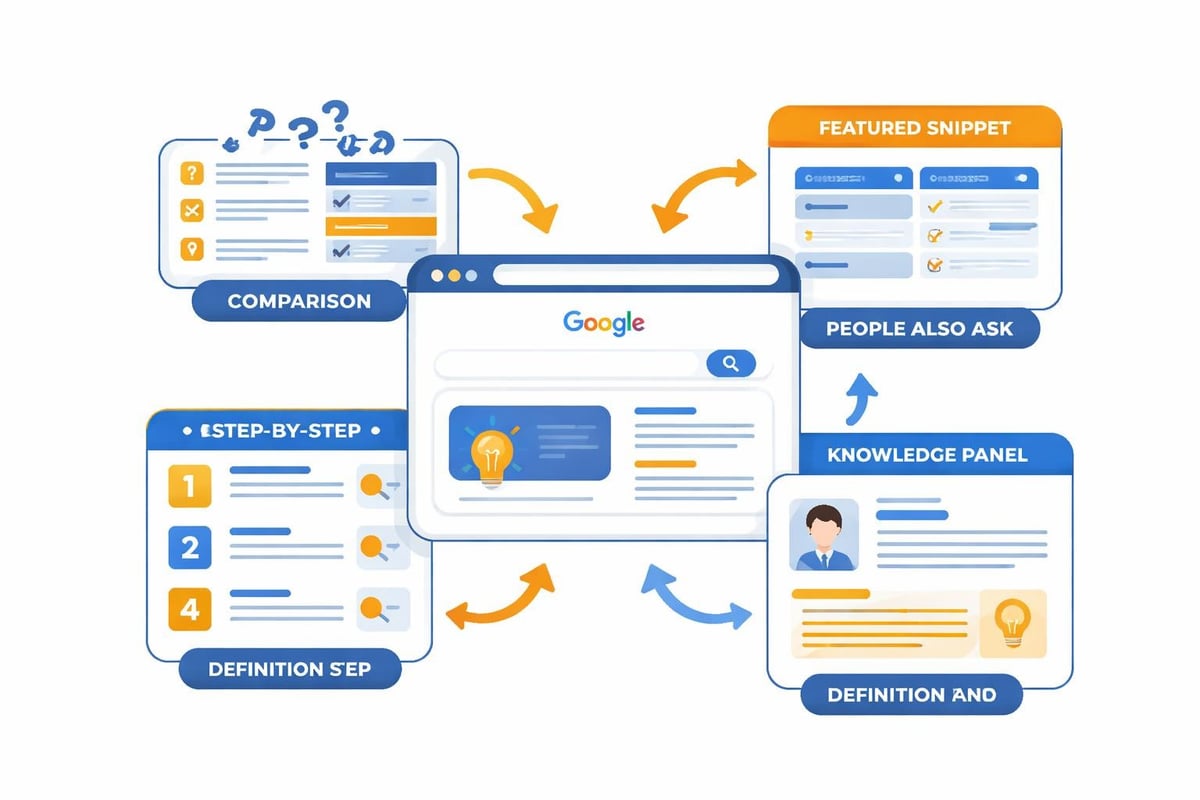
When planning SEO-optimized website design, consider how content will be consumed across different contexts. Users arriving from search may land on any page of your site, not just the homepage. Each page should provide clear context about what information it contains and how it relates to other site content.
Technical SEO Foundations in Website Design
Technical SEO encompasses the backend elements that enable search engines to effectively crawl, understand, and index your website. While often invisible to users, these technical foundations determine whether your beautiful design ever achieves visibility in search results. Addressing technical SEO during the design phase prevents costly retrofitting later.
URL Structure and Site Organization
Clean, descriptive URLs benefit both users and search engines by clearly indicating page content. URLs should use hyphens to separate words, avoid unnecessary parameters and session IDs, and maintain reasonable length. A well-structured URL like "/services/web-design" immediately communicates page content, while "/page?id=12345" provides no contextual information.
Implementing proper canonical tags prevents duplicate content issues that can arise from multiple URLs displaying identical content. This commonly occurs with parameter-based filtering, pagination, and HTTP versus HTTPS versions of pages. Comprehensive SEO strategies address these technical details that significantly impact how search engines evaluate your site.
XML Sitemaps and Robots.txt Configuration
XML sitemaps provide search engines with a complete list of important pages on your site, including metadata about update frequency and priority. While search engines can discover pages through internal linking, sitemaps ensure no critical content is missed and help search engines allocate crawl budget efficiently.
The robots.txt file controls which parts of your site search engines can access. Improperly configured robots.txt files can accidentally block search engines from indexing important content. Design teams should ensure staging and development sites use robots.txt to prevent indexing, while production sites allow access to all public pages.
User Experience Signals and Behavioral Metrics
Google's algorithms increasingly rely on user engagement signals to evaluate page quality and relevance. Metrics like bounce rate, time on page, and pages per session indicate whether users find your content valuable and your design navigable. These behavioral signals have become integral components of how search engines assess website design and seo effectiveness.
High bounce rates often indicate misalignment between user expectations and page content or design issues that prevent engagement. If users consistently leave your site immediately after arriving, search engines interpret this as a signal that your page doesn't satisfy user intent. Addressing bounce rate requires examining both content relevance and design usability.
Common design issues that increase bounce rates:
- Slow loading times that frustrate users before content appears
- Intrusive pop-ups that block content access
- Confusing navigation that makes finding information difficult
- Mobile design problems that create poor user experiences
- Misleading headlines that don't match actual content
Engagement metrics also reflect content depth and quality. Pages with comprehensive, well-organized information naturally keep users engaged longer. Design elements like related content widgets, internal linking to relevant resources, and clear calls to action encourage users to explore multiple pages, sending positive engagement signals to search engines.
Accessibility as an SEO Advantage
Web accessibility ensures people with disabilities can effectively use your website. Beyond the ethical and legal imperatives, accessibility improvements often align directly with SEO best practices. Search engine crawlers, like screen readers used by visually impaired users, rely on semantic HTML, descriptive text, and logical structure to understand content.
Alternative text for images serves dual purposes: providing context for users who can't see images and offering search engines information about image content for image search optimization. Alt text should concisely describe image content and function without keyword stuffing or unnecessary verbosity.
Proper heading hierarchy benefits both screen reader users and search engines by clearly outlining content structure. Color contrast sufficient for visually impaired users also improves readability for all visitors, potentially reducing bounce rates and improving engagement metrics.
Keyboard navigation support ensures users who cannot operate a mouse can still access all site functionality. This involves logical tab order, visible focus indicators, and ensuring all interactive elements are keyboard accessible. These implementations also improve mobile usability, where precise mouse-style interactions are impossible.
Conversion Rate Optimization and SEO Synergy
Ranking highly in search results holds little value if visitors don't convert into leads or customers. The most effective approach to website design and seo recognizes that visibility and conversion optimization must work together. Design elements that build trust, clarify value propositions, and reduce friction directly impact whether search traffic translates into business results.
Clear calls to action guide users toward desired outcomes without being overly aggressive. Placement, visual treatment, and copy all influence CTA effectiveness. Testing different approaches through A/B testing helps identify which design variations maximize conversions while maintaining positive user experience signals.
Trust signals like client testimonials, industry certifications, security badges, and professional design aesthetic all influence conversion rates. These elements should be incorporated thoughtfully into design layouts without creating clutter or slowing page performance. Social proof particularly impacts conversion rates in competitive industries where visitors evaluate multiple options before making decisions.
For businesses seeking to accelerate their website development while maintaining high performance standards, Web Design services that leverage AI technology can dramatically reduce time to launch without sacrificing quality or search optimization.
Ongoing Optimization and Performance Monitoring
Website design and seo are not one-time projects but ongoing processes requiring continuous monitoring and refinement. Search engine algorithms evolve constantly, user expectations shift, and competitive landscapes change. Establishing systems to track performance metrics and identify optimization opportunities ensures your website maintains and improves its search visibility over time.
Google Search Console provides invaluable data about how search engines interact with your site, including crawl errors, mobile usability issues, and Core Web Vitals performance. Regular review of this data helps identify technical problems before they significantly impact rankings.
Analytics and User Behavior Tracking
Google Analytics reveals how users interact with your site after arriving from search results. Analyzing metrics like landing page performance, user flow, and conversion paths identifies which design elements support business goals and which create friction.
Heat mapping tools visualize where users click, how far they scroll, and which elements attract attention. This behavioral data informs design improvements that enhance both user experience and SEO performance by increasing engagement and reducing bounce rates.
Regular content audits ensure your site maintains relevance as industry information evolves and user needs change. Updating outdated content, expanding thin pages with more comprehensive information, and removing or consolidating duplicate content all contribute to improved search performance. Understanding how design affects SEO helps teams prioritize which elements to test and optimize for maximum impact.
Integrating Emerging Technologies
The landscape of website design and seo continues to evolve with emerging technologies. Voice search optimization requires different keyword strategies, focusing on natural language and question-based queries. Design considerations include ensuring featured snippet optimization, as voice assistants often pull answers from these enhanced results.
Artificial intelligence increasingly influences both search algorithms and design tools. AI-powered design platforms can accelerate development while maintaining optimization standards, though human oversight remains essential for strategy and quality control. Search engines themselves use machine learning to better understand user intent and evaluate content quality.
Progressive Web Apps (PWAs) blur the line between websites and native applications, offering app-like experiences through web browsers. PWAs can improve engagement metrics through features like offline functionality and push notifications while maintaining SEO advantages that native apps lack, such as indexable content and universal URLs.
Video content has become increasingly important for engagement and search visibility. Platforms like YouTube function as search engines themselves, while video results appear prominently in Google search. Incorporating video into website design requires balancing the engagement benefits against performance implications, implementing proper optimization techniques like video sitemaps and schema markup.
Content Management System Selection
The platform powering your website significantly influences both design flexibility and SEO capabilities. Different content management systems offer varying levels of control over technical SEO elements, performance optimization, and design customization. Evaluating CMS options requires balancing ease of use, customization capabilities, and built-in optimization features.
WordPress remains popular due to its flexibility and extensive plugin ecosystem, though this also introduces performance and security considerations. Headless CMS architectures separate content management from presentation, offering performance advantages through static site generation while requiring more technical expertise.
| CMS Factor | SEO Consideration | Design Consideration |
|---|---|---|
| Plugin ecosystem | Can extend functionality but may slow performance | Offers design flexibility through themes and builders |
| Code access | Full control over technical implementation | Complete design customization possible |
| Update frequency | Regular security updates protect search rankings | May require theme compatibility checks |
| Hosting requirements | Server configuration affects page speed | Influences design element performance |
Regardless of platform, ensure your CMS provides control over meta tags, URL structures, redirect management, and XML sitemap generation. These fundamental capabilities enable ongoing SEO management as your site evolves.
Competitive Analysis and Market Positioning
Understanding how competitors approach website design and seo reveals opportunities and establishes benchmarks for your own performance. Analyzing competitor sites identifies design patterns that resonate with your target audience and SEO strategies that drive visibility in your industry.
Competitor analysis should examine both design elements and search performance. Tools that track competitor rankings, backlink profiles, and content strategies provide insights into what works within your specific market. However, avoid simply copying competitor approaches. The most effective strategies differentiate your brand while meeting user needs and search requirements.
Gap analysis identifies topics and keywords where competitors rank but your site does not, revealing content opportunities. These insights should inform both content strategy and site architecture decisions, ensuring your design supports comprehensive coverage of relevant topics.
Preparing for Algorithm Updates and Industry Shifts
Major algorithm updates can significantly impact search rankings, though sites following best practices for website design and seo typically weather these changes better than those using manipulative tactics. Building resilience against algorithm volatility requires focusing on genuine value creation rather than attempting to game ranking systems.
Google's helpful content updates specifically target sites created primarily for search engines rather than users. These updates reward comprehensive, expertly created content presented through user-friendly designs. Aligning your strategy with this direction future-proofs your site against algorithm changes that penalize low-quality content and poor user experiences.
Staying current with SEO best practices ensures your website remains competitive as search technologies and user expectations evolve. This involves regular education about industry developments, testing new optimization techniques, and adapting strategies based on performance data.
Design Systems and Scalability
As websites grow, maintaining consistency across hundreds or thousands of pages becomes challenging. Design systems establish reusable components, standardized patterns, and clear guidelines that ensure consistency while enabling efficient scaling. From an SEO perspective, consistent design patterns help establish clear site-wide structures that search engines can easily understand.
Component libraries speed development of new pages while maintaining performance standards. Pre-optimized components for common elements like image galleries, testimonial sections, or product displays ensure new content additions don't inadvertently introduce performance problems or technical SEO issues.
Documentation of design and SEO standards ensures team members understand requirements and maintain quality as sites evolve. This becomes particularly important for organizations with multiple content creators or distributed teams where inconsistent implementation could undermine optimization efforts.
The intersection of website design and seo represents one of the most critical considerations for businesses building digital presence in 2026. Sites that successfully integrate aesthetic appeal with technical optimization, user experience with search visibility, and immediate impact with long-term scalability will dominate their competitive landscapes. Whether you're launching a new site or optimizing an existing one, the strategies outlined here provide a framework for creating websites that both users and search engines reward. Creotivity specializes in building modern websites that excel in both design and search performance, leveraging AI technology to create visually stunning sites optimized for Google and emerging AI search platforms. If you're ready to build a website that attracts visitors and converts them into customers, reach out to explore how our integrated approach to design and optimization can accelerate your business growth.