I Want a Website: Your Complete Guide for 2026
The moment you think "I want a website" marks the beginning of a transformative journey for your business. Whether you're launching a startup, expanding an established company, or finally taking your services online, that simple declaration carries significant weight in 2026. The digital landscape has evolved dramatically, with AI-powered search engines reshaping how customers discover businesses and traditional website-building approaches being replaced by sophisticated, performance-focused strategies. Understanding what you truly need when you say "I want a website" requires more than just picking a template and filling in content-it demands strategic thinking about your business goals, target audience, and long-term digital presence.
Understanding What You Really Need
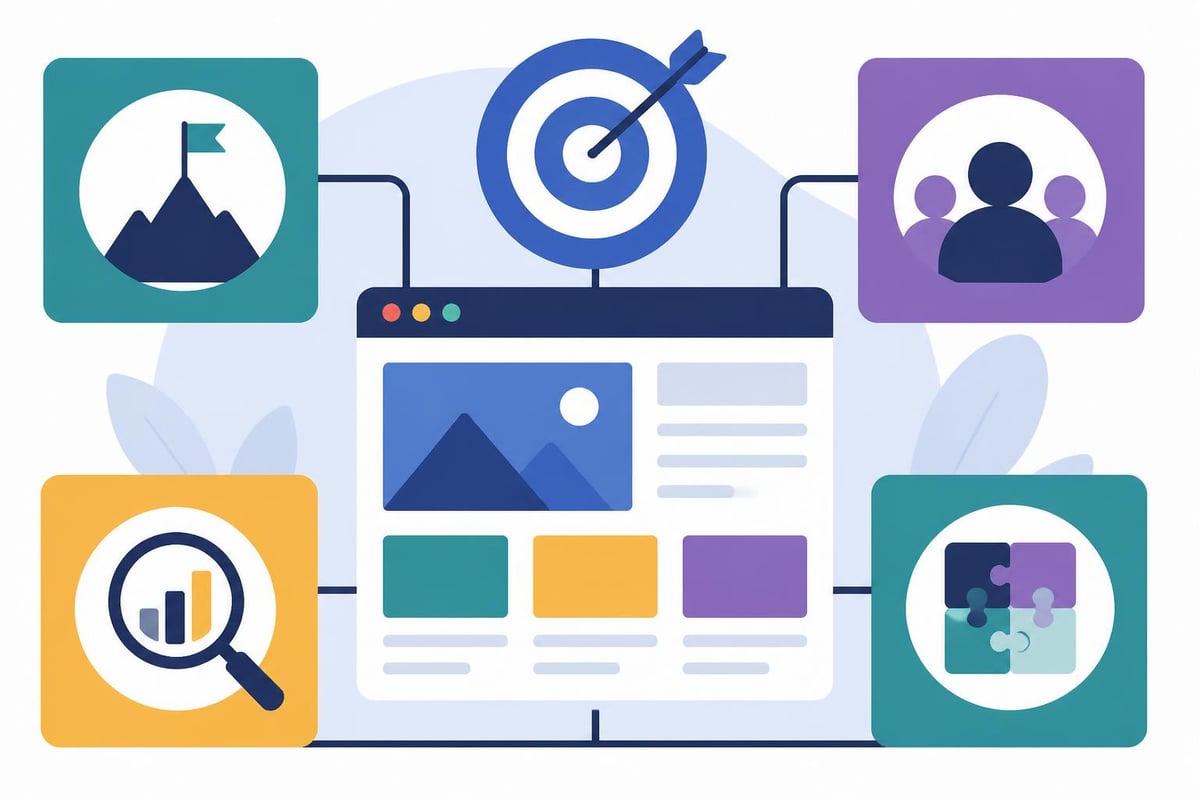
When business owners say "I want a website," they often underestimate the strategic planning required before a single line of code is written. Your website serves as your digital headquarters, working around the clock to attract, engage, and convert potential customers.
The first question to address is purpose. Are you building an e-commerce platform to sell products directly? Do you need a lead generation machine that captures contact information and nurtures prospects? Perhaps you're creating a portfolio showcase or a content hub that establishes industry authority. Each purpose demands different features, layouts, and technical infrastructure.
Defining Your Website Goals
Successful websites start with measurable objectives:
- Revenue generation: Direct sales, subscription sign-ups, or appointment bookings
- Lead capture: Contact forms, newsletter subscriptions, or demo requests
- Brand awareness: Storytelling, thought leadership, and market positioning
- Customer support: FAQs, knowledge bases, and self-service resources
- Community building: Forums, member areas, or social integration
Your goals directly influence design decisions, content strategy, and technical requirements. A local service business needs location-based optimization and clear calls-to-action, while a B2B software company requires detailed product documentation and case studies.
Choosing Your Website Development Approach
The path from "I want a website" to launch depends heavily on your chosen development method. In 2026, three primary approaches dominate the market, each with distinct advantages and limitations.
| Approach | Best For | Timeline | Cost Range | Customization |
|---|---|---|---|---|
| DIY Website Builders | Simple sites, tight budgets | 1-4 weeks | $12-50/month | Limited templates |
| Professional Agencies | Custom design, performance focus | 4-12 weeks | $5,000-50,000+ | Fully custom |
| Freelance Developers | Mid-range projects | 3-8 weeks | $2,000-15,000 | Variable quality |
Website builders like those reviewed in comprehensive platform comparisons offer accessibility for non-technical users. These platforms provide drag-and-drop interfaces and pre-designed templates. However, they often create bloated code, limit customization, and restrict your ability to implement advanced SEO strategies.
Professional agencies deliver strategic value beyond mere aesthetics. When working with specialists who understand modern web design best practices, you receive performance-optimized code, conversion-focused design, and built-in search visibility. The Web Design approach leverages AI to accelerate development while maintaining quality, reducing typical project timelines from months to weeks.
Technical Decisions That Matter
Beyond the development approach, several technical choices shape your website's performance:
- Hosting infrastructure: Shared hosting, VPS, cloud platforms, or managed WordPress
- Content management system: WordPress, Webflow, custom-built, or headless CMS
- Performance optimization: CDN implementation, image compression, code minification
- Security protocols: SSL certificates, firewall configuration, backup systems
- Scalability planning: Traffic capacity, database optimization, resource allocation
These decisions impact loading speed, security, maintenance requirements, and long-term costs. Poor technical choices made during initial development can create expensive problems later.
Essential Features Every Modern Website Needs
When you declare "I want a website," you're actually requesting a complex system of interconnected features working together seamlessly. Certain elements have transitioned from optional to mandatory in 2026.
Mobile-First Responsive Design
Over 65% of web traffic originates from mobile devices in 2026. Your site must deliver flawless experiences across smartphones, tablets, and desktops. Responsive design isn't merely about shrinking content-it requires thoughtful consideration of touch interfaces, vertical scrolling patterns, and reduced screen real estate.
Mobile-first design principles prioritize the smallest screens during initial development, then progressively enhance for larger displays. This approach ensures core functionality remains accessible regardless of device.
Speed and Performance Optimization
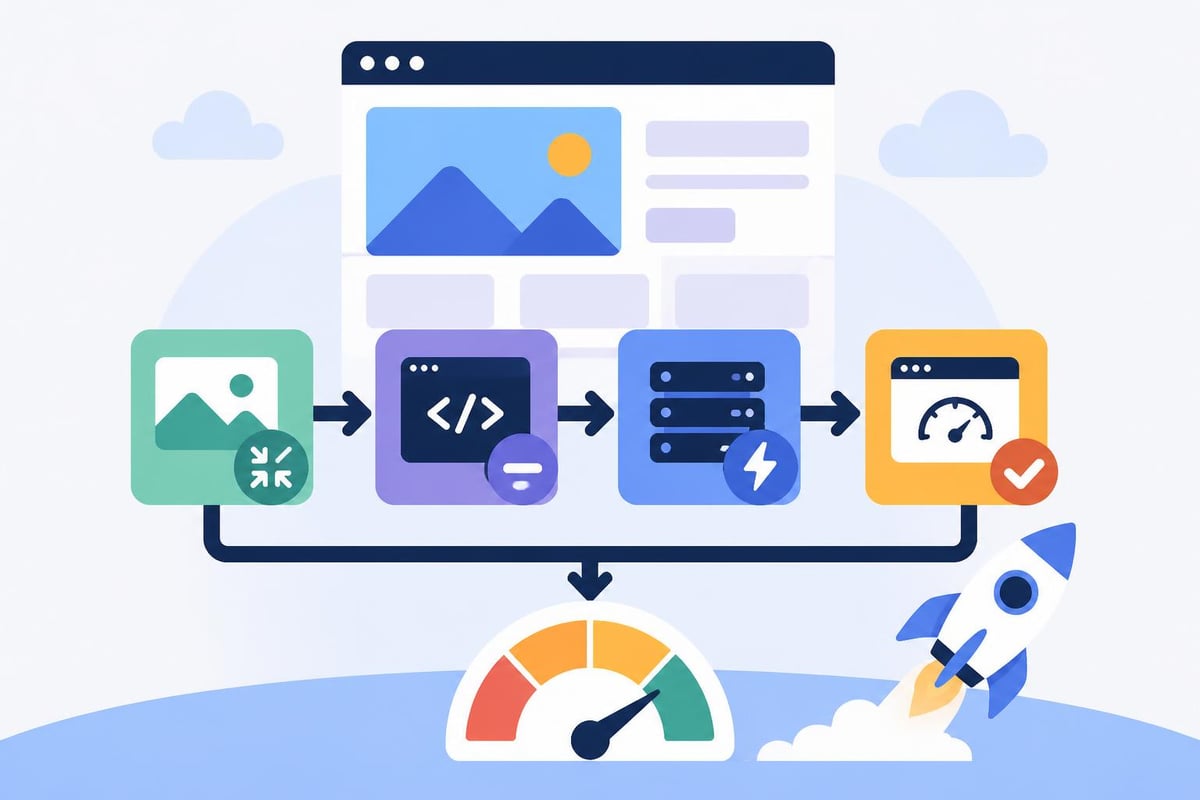
Website loading speed directly impacts both user experience and search rankings. Google's Core Web Vitals measure specific performance metrics that influence organic visibility. Sites loading in under two seconds convert significantly better than slower alternatives.
Performance optimization includes:
- Compressed and next-gen image formats (WebP, AVIF)
- Minified CSS and JavaScript files
- Browser caching implementation
- Lazy loading for below-the-fold content
- Efficient database queries
The technical complexity of modern websites demands careful attention to architecture decisions that prevent bloat while maintaining functionality.
Search Engine and AI Visibility
Traditional SEO remains critical, but 2026 introduces new challenges with AI-powered search engines. When users ask ChatGPT, Claude, or Perplexity for recommendations, your website needs optimization for generative AI citations.
| Optimization Type | Focus Areas | Business Impact |
|---|---|---|
| Traditional SEO | Keywords, backlinks, technical structure | Organic Google traffic |
| AI Visibility | Structured data, entity recognition, authority signals | AI search citations |
| Local SEO | Google Business Profile, location signals, reviews | Geographic discovery |
| Content Quality | Expertise, accuracy, comprehensive coverage | All search channels |
Understanding how AI ranking differs from traditional SEO helps businesses prepare for the evolving search landscape where AI assistants mediate customer research.
Content Strategy for Website Success
Thinking "I want a website" without considering content strategy is like building a store without inventory. Your content serves multiple purposes: answering customer questions, demonstrating expertise, supporting SEO efforts, and guiding visitors toward conversion.
Planning Your Site Architecture
Information architecture determines how visitors navigate your site and how search engines understand your offerings. Well-structured sites organize content logically:
Homepage – Clear value proposition, primary services, trust signals, and conversion paths
Service/Product Pages – Detailed descriptions, benefits, pricing, testimonials, and calls-to-action
About Section – Company story, team profiles, values, and differentiators
Resources – Blog articles, guides, case studies, and downloadable assets
Contact – Multiple communication options, location information, and response expectations
Each page should target specific search queries while maintaining natural language that serves human readers first. The balance between SEO optimization and readability defines successful content in 2026.
Creating Conversion-Focused Copy
Effective website copy addresses visitor concerns at each stage of the buying journey. Top-of-funnel content attracts through education, mid-funnel content builds trust through expertise, and bottom-funnel content converts through compelling offers.
Strong calls-to-action use action-oriented language, create urgency without manipulation, and reduce friction in the conversion process. Rather than generic "Learn More" buttons, specific prompts like "Schedule Your Free Strategy Session" or "Download the 2026 Industry Report" generate higher engagement.
Budgeting for Your Website Investment
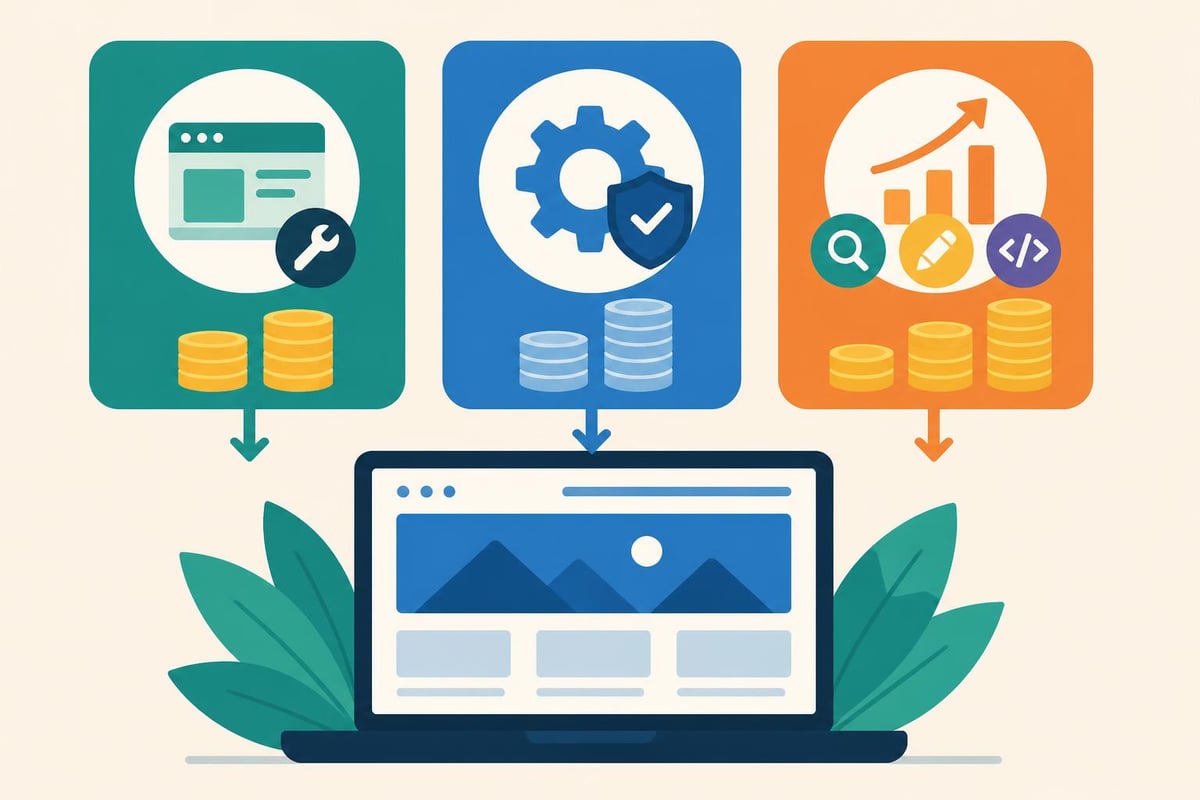
The answer to "How much does a website cost?" varies dramatically based on complexity, features, and quality standards. Understanding where your investment goes helps set realistic expectations.
Initial Development Costs
Basic informational websites start around $2,000-5,000 when working with freelancers, while professionally designed business sites range from $10,000-30,000. E-commerce platforms with custom functionality can exceed $50,000 for comprehensive builds.
These figures reflect:
- Design and user experience work
- Custom development and coding
- Content creation and optimization
- Technical setup and configuration
- Testing and quality assurance
- Initial training and documentation
Ongoing Maintenance and Growth
Websites require continuous investment beyond launch. Annual costs typically include:
- Hosting and infrastructure: $200-2,000 annually depending on traffic and features
- Security and backups: $100-500 for monitoring, patches, and data protection
- Content updates: $500-5,000 for regular additions and refreshes
- SEO and marketing: $1,000-10,000+ for ongoing optimization and promotion
- Technical maintenance: $500-3,000 for updates, fixes, and improvements
Businesses that treat their website as a living asset rather than a one-time project see substantially better results. Regular content additions, performance monitoring, and strategic improvements compound over time.
Common Mistakes to Avoid
First-time website owners frequently encounter preventable problems that waste time and money. Learning from these common errors accelerates your path to success.
Prioritizing Aesthetics Over Function
Beautiful designs attract attention, but functionality drives results. Websites focused purely on visual appeal often sacrifice usability, loading speed, and conversion optimization. The most effective sites balance aesthetic quality with strategic purpose, ensuring every design element serves business objectives.
Neglecting Search Visibility
Building a website without SEO consideration is like opening a store in a hidden location. Many businesses say "I want a website" without understanding that visibility requires intentional optimization. Implementing SEO from the start costs less than retrofitting optimization later.
Choosing Platforms Based on Price Alone
The cheapest option rarely delivers the best value. Low-cost website builders often lock you into restrictive ecosystems, charge hidden fees for necessary features, and create technical debt that becomes expensive to resolve. Evaluate platforms based on total cost of ownership, not just initial pricing.
Ignoring Analytics and Data
Launching without analytics is like driving blindfolded. Google Analytics, heatmapping tools, and conversion tracking reveal how visitors interact with your site, which pages perform well, and where improvements are needed. Data-driven decisions consistently outperform assumptions.
The Modern Website Launch Process
Transforming "I want a website" into a live, performing asset follows a structured process regardless of your chosen development approach. Understanding each phase helps you collaborate effectively with designers and developers.
Discovery and Planning Phase
Professional projects begin with comprehensive discovery:
- Business goal alignment and KPI definition
- Target audience research and persona development
- Competitive analysis and market positioning
- Content audit and messaging framework
- Technical requirements and integration mapping
This foundation prevents costly mid-project changes and ensures all stakeholders share a common vision.
Design and Development Phase
With strategy established, creative work begins. Modern processes typically follow these stages:
Wireframing – Low-fidelity layouts defining structure and content hierarchy
Visual Design – High-fidelity mockups establishing aesthetic direction
Development – Converting designs into functional code with CMS integration
Content Population – Adding copy, images, and multimedia elements
Testing – Quality assurance across browsers, devices, and user scenarios
Iterative feedback during each stage ensures the final product matches expectations while maintaining flexibility for improvements.
Launch and Optimization
Going live represents a beginning rather than an ending. Post-launch activities include:
- Search engine submission and indexing verification
- Performance monitoring and speed optimization
- User behavior analysis and conversion tracking
- Content additions and regular updates
- Ongoing SEO improvements and link building
Websites that receive continuous attention after launch deliver exponentially better ROI than abandoned projects. The strategic approach to web development recognizes that optimization never truly ends.
Selecting the Right Development Partner
When you decide "I want a website," choosing who builds it profoundly impacts outcomes. The right partner becomes a strategic advisor rather than just a service provider.
Evaluating Agency Capabilities
Look beyond portfolio aesthetics to assess technical competence, strategic thinking, and industry expertise. Strong agencies demonstrate:
- Proven results with measurable business outcomes
- Deep understanding of your industry and competitors
- Technical proficiency across modern frameworks and tools
- Strategic SEO and conversion optimization knowledge
- Clear communication and project management processes
Request case studies showing how their work solved specific business challenges, not just beautiful designs. Understanding their approach to modern web design reveals whether they prioritize appearance or performance.
Questions to Ask Prospective Partners
Thorough vetting prevents mismatched expectations:
- How do you approach performance optimization and loading speed?
- What's your process for ensuring search engine visibility?
- How do you handle content creation and copywriting?
- What post-launch support and maintenance do you provide?
- Can you show examples of sites you've built in our industry?
- What's your typical project timeline and communication cadence?
- How do you measure success beyond just launching the site?
The quality of their answers reveals professionalism, expertise, and cultural fit. Partners who ask insightful questions about your business demonstrate strategic thinking beyond surface-level requirements.
Future-Proofing Your Website Investment
The declaration "I want a website" in 2026 must account for rapid technological evolution. Building with future needs in mind prevents premature obsolescence.
Emerging Technologies to Consider
Several trends are reshaping web development:
AI Integration – Chatbots, personalization engines, and automated content recommendations enhance user experiences while gathering valuable data.
Voice Search Optimization – As voice-activated searches increase, natural language optimization becomes critical for discovery.
Progressive Web Apps – Combining website accessibility with app-like functionality, PWAs deliver superior mobile experiences without app store requirements.
Headless CMS Architecture – Separating content management from presentation enables omnichannel distribution across websites, apps, and emerging platforms.
Planning for these technologies during initial development costs less than retrofitting later. Even if immediate implementation isn't necessary, ensuring your architecture can accommodate future enhancements protects your investment.
Scalability and Growth Planning
Your website should grow with your business. Consider future requirements:
- Traffic capacity as your audience expands
- Additional product or service pages
- E-commerce functionality if you're currently service-only
- Multi-language support for geographic expansion
- Team member access and workflow management
Building on flexible foundations prevents the need for complete rebuilds as your business evolves. The most cost-effective websites adapt to changing needs without requiring fundamental architectural changes.
The journey from thinking "I want a website" to launching a high-performing digital asset requires strategic planning, quality execution, and ongoing optimization. Your website represents one of your most valuable business assets, working continuously to attract, engage, and convert customers while you focus on operations. Creotivity specializes in building modern websites designed to rank highly on both traditional search engines and AI platforms, combining strategic design with performance optimization to deliver measurable business results. Ready to transform your vision into a powerful digital presence that drives growth?