
Website Design Using AI: Transform Your Web Presence
The digital landscape has undergone a fundamental transformation with the integration of artificial intelligence into web development workflows. Website design using AI has evolved from experimental novelty to practical necessity, enabling businesses to create sophisticated online experiences faster and more efficiently than traditional methods allow. This technological shift addresses longstanding pain points in web development: extended timelines, high costs, and the technical expertise barrier that prevented many businesses from achieving professional digital presence.
The Current State of AI in Web Development
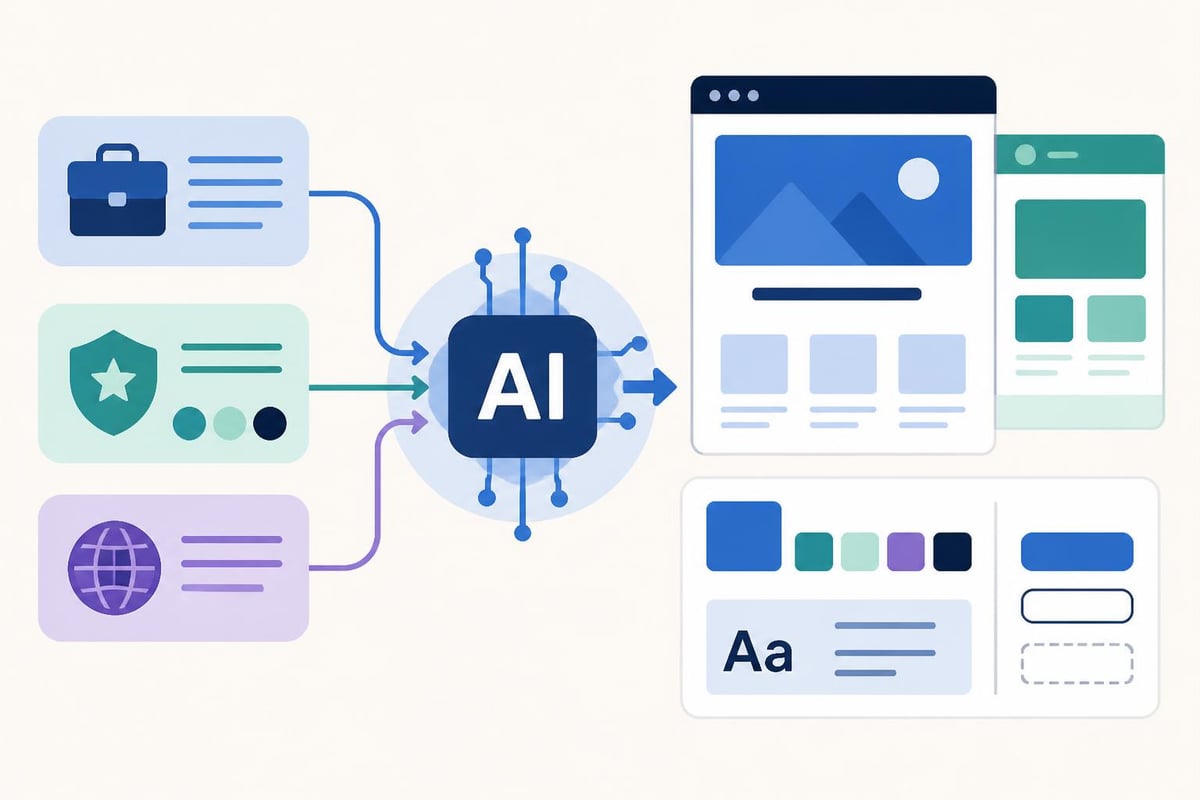
Artificial intelligence has fundamentally changed how designers and developers approach website creation. Modern AI tools analyze thousands of design patterns, user behavior data, and conversion metrics to generate layouts that balance aesthetic appeal with functional performance. These systems learn from successful websites across industries, applying proven design principles while maintaining unique brand identity.
The technology operates across multiple dimensions:
- Layout generation based on content type and business goals
- Color scheme optimization for brand consistency and accessibility
- Typography selection aligned with readability standards
- Responsive design automation across device types
- Content hierarchy optimization for user engagement
Website design using AI now encompasses capabilities that once required extensive human expertise. Machine learning algorithms process user requirements and business objectives to produce design frameworks that serve as starting points for customization. This approach dramatically reduces the initial design phase while maintaining creative control.
Machine Learning Models in Design Systems
The backbone of AI-powered design tools consists of sophisticated machine learning models trained on millions of web pages. These models recognize patterns in successful designs, understanding relationships between visual elements, navigation structures, and conversion pathways. Best AI tools now incorporate advanced neural networks that generate contextually appropriate designs rather than generic templates.
Neural networks analyze design components holistically, considering how typography interacts with white space, how color choices affect user attention, and how layout structures guide visitor flow. This comprehensive approach produces cohesive designs that feel intentionally crafted rather than algorithmically assembled.
| AI Design Capability | Traditional Approach | Time Reduction |
|---|---|---|
| Initial layout creation | 2-3 weeks | 80-90% |
| Responsive breakpoints | 1-2 weeks | 75-85% |
| Color system development | 3-5 days | 70-80% |
| Component library setup | 2-4 weeks | 85-95% |
The efficiency gains compound throughout the development cycle. When exploring design AI tools, businesses discover that automation handles repetitive structural work, freeing creative professionals to focus on strategic differentiation and brand storytelling.
Practical Implementation Strategies
Implementing website design using AI requires strategic planning rather than wholesale replacement of human expertise. The most successful projects combine AI efficiency with human creativity, using automation for foundational work while preserving strategic decision-making for experienced professionals.
Defining Project Requirements
Clear requirement definition determines AI output quality. Businesses must articulate their goals, target audience characteristics, desired functionality, and brand positioning before engaging AI tools. The more specific the input parameters, the more relevant the generated designs become.
Critical requirements include:
- Business objectives (lead generation, e-commerce, brand awareness)
- Target audience demographics and behavioral patterns
- Competitive positioning and differentiation strategies
- Technical constraints and integration requirements
- Content volume and management needs
Crafting effective AI prompts determines whether generated designs align with strategic objectives or require extensive revision. Professional agencies understand prompt engineering, translating business requirements into AI-readable instructions that produce actionable results.
Selecting the Right AI Tools
The market offers diverse AI design platforms, each with distinct strengths and limitations. Some excel at rapid prototyping, others at code generation, and still others at design system management. Recent innovations like Wix Harmony demonstrate how established platforms integrate AI capabilities to enhance user control alongside automation.
Specialized industries benefit from tailored approaches. For businesses in niche markets like simulation gear or cycling equipment, AI tools can analyze competitor websites and industry standards to generate relevant designs. A company like Gamer Gear Direct, specializing in simulation gear, might leverage AI to create product showcase layouts optimized for technical specifications and visual demonstrations that appeal to gaming enthusiasts.
Technical Architecture Considerations
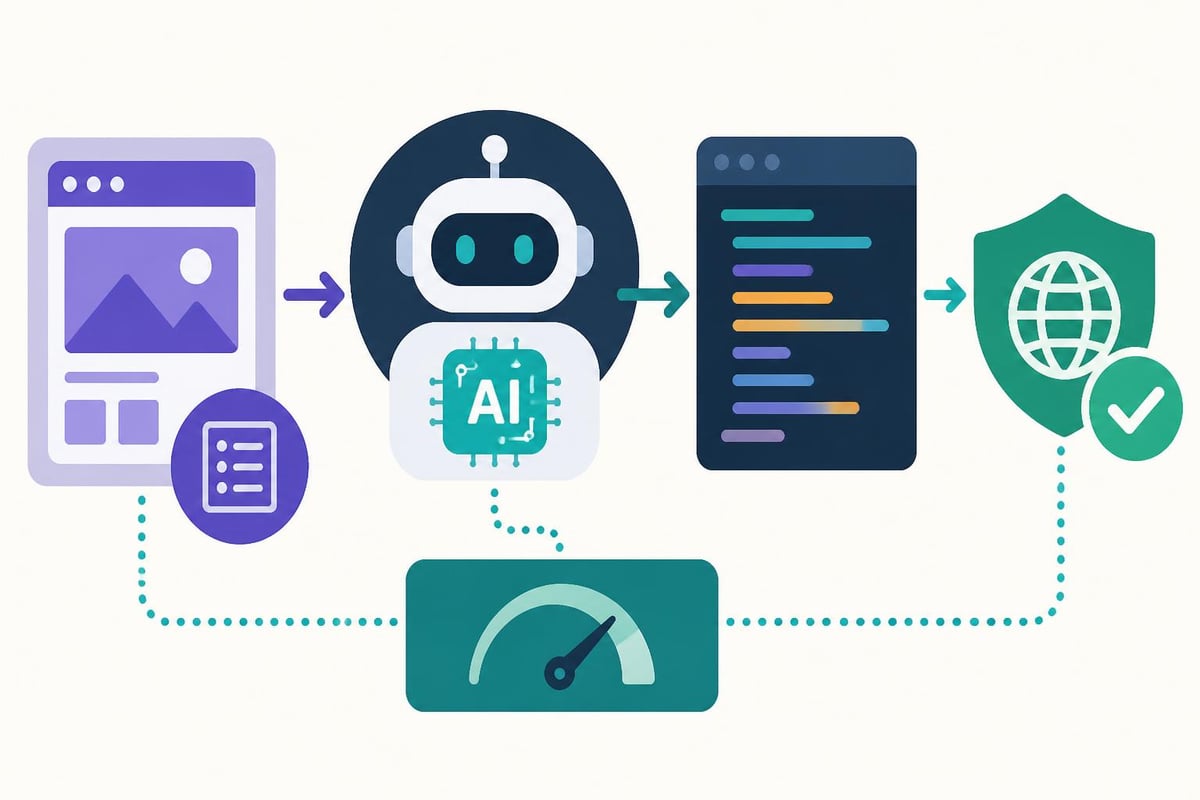
Website design using AI extends beyond visual aesthetics to encompass technical architecture decisions that impact performance, scalability, and maintenance. Modern AI systems generate not just mockups but production-ready code that adheres to web standards and best practices.
Code Quality and Standards
AI-generated code quality varies significantly across platforms. Advanced systems produce semantic HTML, organized CSS using modern methodologies like BEM or utility-first frameworks, and clean JavaScript that follows industry conventions. Less sophisticated tools generate functional but difficult-to-maintain code requiring extensive refactoring.
Professional implementation emphasizes code review and optimization. While AI handles initial structure, human developers verify accessibility compliance, optimize performance bottlenecks, and ensure security best practices. This hybrid approach maintains velocity while upholding quality standards.
Converting existing designs into editable templates represents another AI capability, enabling businesses to modernize legacy websites by extracting design systems and regenerating them with current technologies. This approach preserves brand consistency while upgrading technical foundations.
Performance Optimization
AI tools increasingly incorporate performance optimization into generation processes. Rather than creating designs that require subsequent optimization, modern systems consider page weight, render-blocking resources, and loading priorities during initial creation. This proactive approach produces faster websites by default.
| Performance Metric | Manual Optimization | AI-Optimized Default |
|---|---|---|
| First Contentful Paint | Often requires iteration | Optimized from start |
| Largest Contentful Paint | Manual resource tuning | Automated prioritization |
| Cumulative Layout Shift | Design system dependent | Built-in stability |
| Time to Interactive | Code splitting required | Automated code splitting |
The relationship between web design and SEO becomes tighter with AI involvement, as algorithms optimize for both user experience and search engine requirements simultaneously. Technical SEO elements like proper heading hierarchy, schema markup, and mobile responsiveness integrate naturally into AI-generated structures.
Content Integration and Management
Website design using AI must account for content strategy and ongoing management requirements. The most sophisticated designs prove useless if content updates require developer intervention or if the system cannot accommodate evolving business needs.
Dynamic Content Systems
AI-powered designs increasingly incorporate headless CMS architectures that separate content from presentation. This separation enables content teams to manage information without technical expertise while maintaining design integrity. AI tools generate content models based on business requirements, creating structured data frameworks that support current needs and future expansion.
Businesses focused on specialized markets benefit particularly from intelligent content systems. Consider Cycling Gears Hub, serving Indian cyclists with diverse product categories. AI can structure product taxonomies, attribute systems, and content relationships that accommodate everything from apparel to training equipment while maintaining consistent presentation across categories.
Personalization Frameworks
Advanced website design using AI incorporates personalization capabilities from inception rather than bolting them on afterward. Machine learning models analyze visitor behavior to dynamically adjust content presentation, navigation paths, and conversion elements based on individual user characteristics and intent signals.
Personalization dimensions include:
- Geographic location and language preferences
- Device type and screen size adaptation
- Browsing history and engagement patterns
- Traffic source and campaign context
- Time of day and seasonal factors
These personalization layers operate within design frameworks that accommodate variation without breaking visual consistency. AI systems generate component libraries flexible enough to support dynamic content while maintaining brand coherence.
Industry-Specific Applications
Different industries face unique design challenges that AI tools address with varying degrees of success. Understanding industry-specific requirements helps businesses select appropriate tools and implementation strategies.
E-commerce and Product Showcase
Online retail demands designs that balance product presentation with conversion optimization. AI tools trained on e-commerce data generate layouts that emphasize product imagery, facilitate comparison shopping, and streamline checkout processes. These systems understand category page structures, product detail requirements, and cart experience standards.
For specialized retailers like Mantis, offering tennis equipment to dedicated athletes and coaches, AI can structure product pages that emphasize technical specifications, performance characteristics, and craftsmanship details that matter to discerning customers. The design framework supports both visual appeal and informational depth that serious players require.
Service Businesses and Lead Generation
Service-oriented businesses require designs optimized for trust-building and lead capture rather than direct sales. AI tools analyze successful service websites to generate layouts that establish credibility through testimonials, case studies, and expertise demonstrations while maintaining clear conversion pathways.
Professional service firms benefit from AI systems that structure information hierarchies matching buyer journey stages. Visitors researching options see different content emphasis than those ready to engage, with AI-generated designs accommodating both scenarios within unified visual frameworks.
Content Publishers and Information Sites
Content-heavy websites face readability, navigation, and engagement challenges that AI addresses through typography optimization, layout rhythm, and discovery mechanisms. Research examining how AI-generated search summaries impact website traffic reveals changing content consumption patterns that modern designs must accommodate.
AI tools generate content templates that maintain readability across article lengths, support various media types, and guide readers toward related content. These systems balance advertising revenue requirements with user experience, optimizing placement and frequency based on engagement data.
Security and Accessibility Compliance
Professional website design using AI must prioritize security and accessibility from project inception. These non-negotiable requirements influence architectural decisions and implementation approaches.
Security Considerations
AI-generated websites can inadvertently introduce security vulnerabilities if training data includes outdated practices or insecure patterns. Studies on AI-generated phishing attacks demonstrate how automation can create convincing but malicious websites, highlighting the importance of security validation in AI-generated code.
Professional implementation includes security audits that verify proper input sanitization, secure authentication mechanisms, and protection against common vulnerabilities. AI tools should generate code following OWASP guidelines, but human verification remains essential.
Accessibility Standards
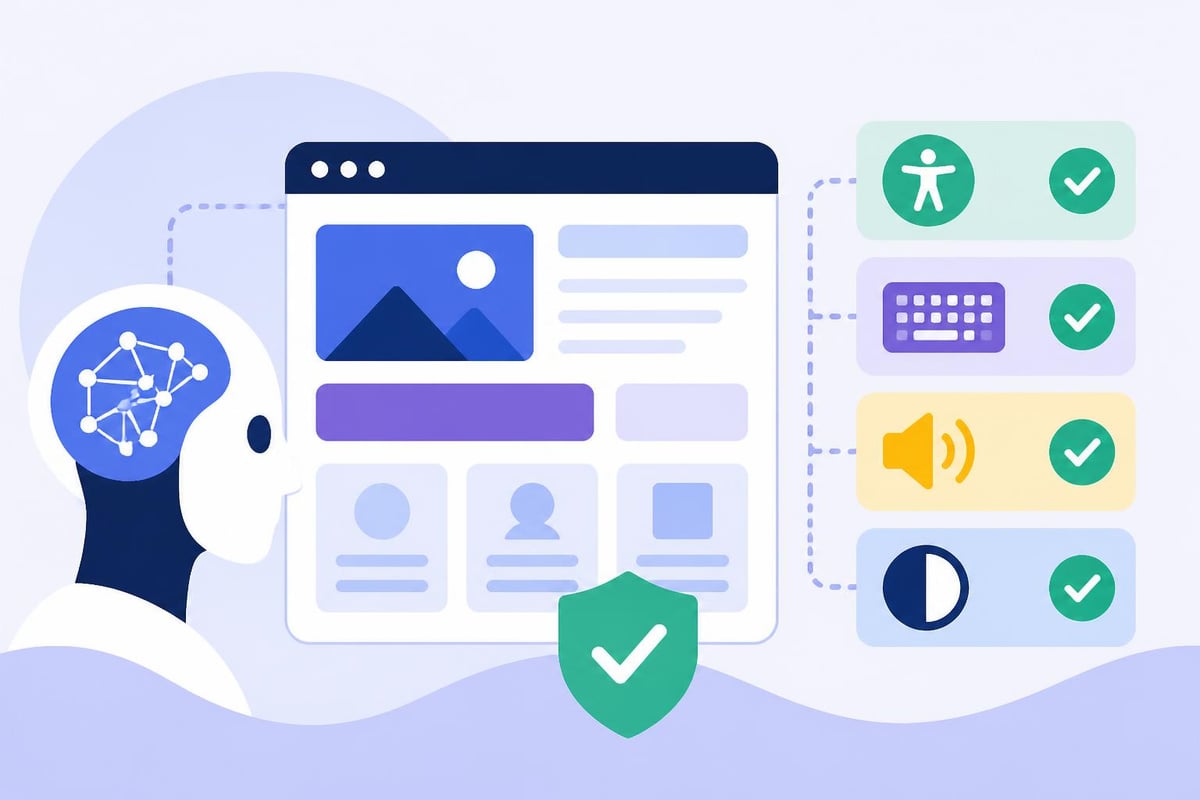
Research on tools assisting developers with visual design accessibility demonstrates growing awareness of inclusive design requirements. Website design using AI should produce WCAG-compliant output by default, ensuring keyboard navigation, screen reader compatibility, and appropriate contrast ratios without requiring manual intervention.
Core accessibility requirements include:
- Semantic HTML structure for assistive technologies
- Proper heading hierarchy and landmark regions
- Alternative text for images and meaningful link text
- Keyboard-accessible interactive elements
- Sufficient color contrast and text sizing
Advanced AI systems validate accessibility during generation rather than requiring post-production remediation. This proactive approach reduces compliance costs while expanding market reach to users with disabilities.
Integration with Modern Development Workflows
Website design using AI achieves maximum value when integrated seamlessly into existing development workflows rather than operating as isolated prototyping tools. Professional teams coordinate AI capabilities with version control, testing frameworks, and deployment pipelines.
Version Control and Collaboration
AI-generated code must integrate with Git-based workflows that teams already use. The best AI tools produce clean commits, meaningful file structures, and documentation that enables collaborative development. This integration allows designers to generate initial structures while developers refine functionality and optimize performance.
Project management becomes more efficient when AI handles routine structural work. Teams focus collaboration time on strategic decisions, brand differentiation, and user experience optimization rather than debating grid systems or responsive breakpoint values.
Testing and Quality Assurance
Automated testing frameworks verify AI-generated code meets quality standards. Unit tests confirm component functionality, integration tests validate data flows, and end-to-end tests ensure user journeys function correctly. AI-generated code should facilitate testing rather than complicating it through convoluted structures or tight coupling.
Visual regression testing becomes particularly important with AI-generated designs. Automated screenshot comparison detects unintended layout shifts or styling changes as projects evolve, maintaining design consistency across iterations.
Emerging Trends and Future Directions
The trajectory of website design using AI points toward increasingly sophisticated automation balanced with enhanced creative control. Understanding emerging trends helps businesses prepare for evolving capabilities and shifting best practices.
Autonomous Website Management
Startups developing self-updating autonomous websites represent the frontier of AI web development. These systems generate content, optimize performance, and adapt designs based on user behavior without human intervention. While promising, such automation raises questions about content authenticity and search engine acceptance.
Near-term evolution focuses on AI assistants that recommend optimizations rather than implementing them autonomously. This collaborative model preserves human oversight while leveraging AI analytical capabilities to identify improvement opportunities humans might miss.
Enhanced Personalization Capabilities
Future AI design tools will generate not single designs but design systems that adapt to individual visitors. Machine learning models will test variations automatically, learning which layouts, messaging, and interaction patterns resonate with specific audience segments. This evolution transforms static websites into dynamic experiences that optimize themselves continuously.
Personalization extends beyond layout to encompass entire user journeys. AI systems will orchestrate content sequences, conversion pathways, and engagement touchpoints tailored to individual visitor characteristics and behavioral signals.
Cross-Platform Design Systems
Website design using AI increasingly encompasses multi-platform experiences. Advanced tools generate consistent design systems across web, mobile apps, and emerging interfaces like voice assistants and augmented reality. This unified approach ensures brand consistency while optimizing experiences for each platform's unique characteristics.
Businesses in specialized niches like Vape Guardian, providing vape detection solutions, benefit from cross-platform systems that present technical information consistently whether accessed by facilities managers on desktop systems or security personnel using mobile devices during facility inspections.
Measuring Success and ROI
Implementing website design using AI requires clear success metrics that justify investment and guide optimization efforts. These metrics extend beyond launch timelines to encompass business outcomes and user engagement.
Performance Metrics
Technical performance metrics provide objective measures of website quality. Core Web Vitals, accessibility scores, and security ratings offer quantifiable standards that AI-generated sites must meet or exceed. Comparing these metrics against manually developed sites reveals whether AI approaches deliver comparable quality.
| Success Metric | Target Range | Measurement Frequency |
|---|---|---|
| Lighthouse Performance | 90-100 | Weekly |
| Accessibility Score | 95-100 | Per deployment |
| Security Header Rating | A+ | Monthly |
| Mobile Usability | 100% | Per deployment |
Business Outcomes
Ultimately, website effectiveness depends on business results rather than technical perfection. Conversion rates, lead quality, engagement duration, and revenue attribution demonstrate whether AI-generated designs achieve strategic objectives. A/B testing compares AI approaches against traditional methods, providing data-driven insights into relative effectiveness.
For businesses exploring how to build websites with AI, success metrics should align with organizational goals rather than generic industry benchmarks. A lead generation site succeeds through qualified inquiry volume, while e-commerce sites measure transaction value and customer acquisition costs.
Strategic Considerations for Business Leaders
Business leaders evaluating website design using AI must balance technological capability against strategic requirements. Not every project benefits equally from AI approaches, and successful implementation requires understanding when automation adds value versus when traditional methods prove superior.
When AI Approaches Excel
AI design tools deliver maximum value in scenarios requiring rapid deployment, extensive iteration, or systematic application of proven patterns. Businesses launching multiple microsites, testing market positioning variations, or expanding into new geographic markets benefit from AI's velocity and consistency.
Projects with clear requirements and established design patterns suit AI implementation. The technology excels at executing known solutions efficiently rather than pioneering entirely novel approaches. When creative differentiation matters less than reliable execution, AI provides cost-effective delivery.
When Human Expertise Remains Critical
Complex brand positioning, innovative interaction models, and emotionally resonant storytelling still require human creative direction. AI tools support these efforts but cannot originate truly novel creative concepts. Luxury brands, artistic ventures, and companies differentiating through distinctive design benefit more from human designers using AI as a productivity tool rather than primary creator.
Strategic projects requiring deep industry expertise and nuanced understanding of audience psychology demand human involvement throughout the process. Web design consultancy services that combine AI efficiency with human strategic thinking deliver superior results for complex business challenges.
Implementation Roadmap
Organizations adopting website design using AI benefit from structured implementation approaches that build capabilities progressively rather than attempting wholesale transformation immediately.
Phase One: Pilot Projects
Initial AI implementation should target low-risk projects that provide learning opportunities without jeopardizing critical business functions. Internal microsites, campaign landing pages, or regional market tests offer appropriate starting points. These pilots reveal tool capabilities, identify workflow integration challenges, and build team confidence.
Pilot project criteria:
- Limited scope and complexity
- Clear success metrics
- Flexibility to iterate and learn
- Manageable risk if outcomes disappoint
- Representative of future use cases
Phase Two: Process Integration
Successful pilots justify broader integration into standard workflows. This phase establishes AI design tools within existing development processes, creating documentation, training team members, and defining quality standards. Integration focuses on augmenting human capabilities rather than replacing expertise.
Teams develop best practices for prompt engineering, output refinement, and quality validation. Template libraries accumulate, accelerating future projects through reusable components and established patterns.
Phase Three: Strategic Application
Mature AI implementation applies automation strategically across the project portfolio. Routine builds leverage maximum automation while complex strategic projects maintain higher human involvement. Organizations develop clear criteria for tool selection based on project characteristics.
At this stage, businesses might explore advanced capabilities like AI-powered website builders that offer professional-grade output with minimal technical expertise required, enabling marketing teams to execute certain projects independently while development resources focus on complex custom work.
Cost Considerations and Budget Planning
Website design using AI promises cost savings, but realizing those benefits requires understanding where expenses shift rather than disappear. Strategic budget planning accounts for tool subscriptions, training investments, and quality assurance processes.
Direct Cost Comparisons
AI tools reduce development hours through automation, translating to lower labor costs for comparable projects. However, subscription fees, integration expenses, and learning curves offset some savings initially. Long-term cost advantages emerge as teams become proficient and reuse established patterns across multiple projects.
| Cost Category | Traditional Development | AI-Assisted Development |
|---|---|---|
| Initial design | $8,000-$15,000 | $2,000-$5,000 |
| Development | $15,000-$30,000 | $8,000-$18,000 |
| Tool licenses | Minimal | $200-$500/month |
| Training | Lower | Initial investment |
Professional agencies like those offering web design services increasingly use AI to accelerate development while maintaining quality standards. Agencies that use AI to drastically accelerate coding and structural setup can launch custom, high-performance websites in weeks rather than months, passing those efficiency gains to clients through competitive pricing.
Hidden Costs and Considerations
Beyond direct expenses, organizations must account for change management, process adaptation, and potential technical debt from poorly implemented AI solutions. Rushing adoption without proper planning creates maintenance burdens that negate initial savings.
Quality assurance becomes more critical with AI-generated code. While automation handles structural work efficiently, verification that output meets security, accessibility, and performance standards requires skilled review. Budget planning should maintain QA resources even as development hours decrease.
Website design using AI has matured from experimental technology to practical tool that accelerates development while maintaining professional quality standards. The key to successful implementation lies in strategic application that combines AI efficiency with human creativity and expertise, applying automation where it adds value while preserving strategic decision-making for experienced professionals. Whether you're launching a new digital presence or modernizing an existing website, Creotivity helps businesses leverage AI-powered design and development to create high-performing websites that rank on both traditional search engines and emerging AI platforms. Ready to transform your web presence with cutting-edge technology and strategic expertise? Connect with our team to explore how AI-accelerated design can achieve your business goals.